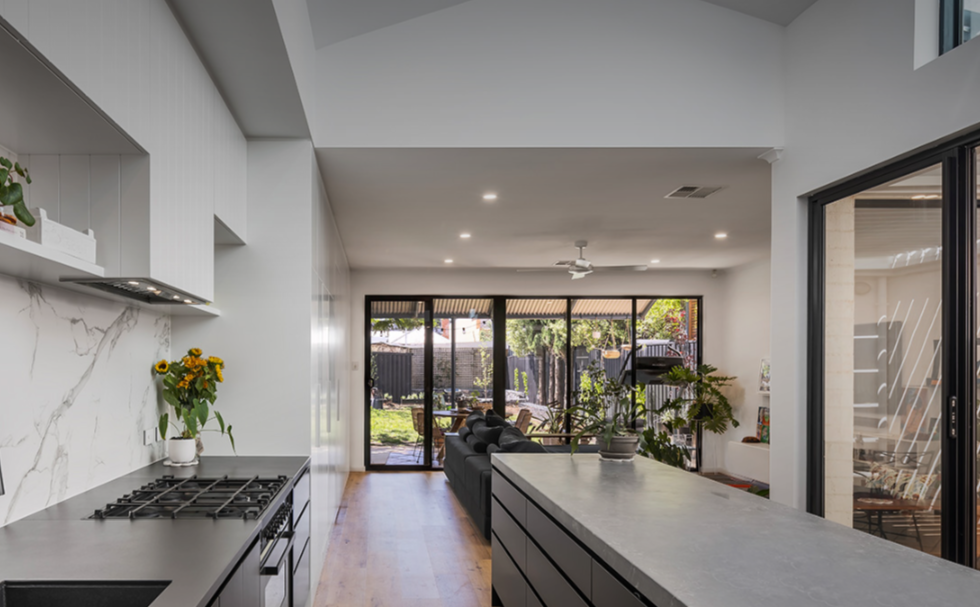
Preparing a home for sale creates a different set of priorities than remodeling a home for yourself.
When homeowners renovate for long-term use, they can justify highly personal choices, major layout changes, premium materials, and specialized features that improve daily life over many years.
Pre-sale renovation is different.
The goal is usually to make the property feel well maintained, appealing, and move-in ready without investing heavily in improvements that may not meaningfully affect buyer perception.
That is why the biggest project is not always the smartest one.
The most effective projects are often the ones that reduce hesitation. A strategic approach to pre-listing renovations focuses first on repairs, presentation, and visible conditions that may cause buyers to question the condition of the property before considering expensive structural or highly personalized upgrades.
The right approach is usually less about creating a dream home and more about removing reasons for buyers to say no.
Why Pre-Sale Remodeling Is Different From Remodeling for Yourself
A homeowner planning to stay for another fifteen years may reasonably spend more on:
- custom cabinetry,
- specialty tile,
- structural changes,
- premium appliances,
- personalized storage.
A seller may have only a few months to complete improvements and recover as much of that investment as possible through a stronger listing.
That changes the decision-making process.
Before renovating, ask:
- Will buyers notice this?
- Does it solve an obvious problem?
- Will it make the home easier to understand?
- Is it likely to delay the listing?
- Is the improvement too personalized?
A pre-sale project should be selective.
1. Fix Visible Damage Before Adding Luxury Features
One of the most common mistakes is upgrading attractive areas while ignoring obvious defects.
Imagine a kitchen with beautiful new countertops but:
- cracked trim,
- damaged drywall,
- dripping faucet,
- sticking doors.
Buyers may focus more on those visible problems than on the premium material.
Deferred maintenance can create a larger negative impression because it raises additional questions.
If one problem is visible, buyers may wonder what else has not been maintained.
Before adding decorative upgrades, address:
- damaged surfaces,
- leaks,
- loose fixtures,
- broken hardware,
- obvious deterioration.
A home that feels cared for often presents better than one with expensive upgrades surrounded by unfinished repairs.
2. Fresh Paint Usually Has More Impact Than a Major Redesign
Paint is one of the simplest ways to change how buyers experience a room.
Fresh paint can make interiors feel:
- cleaner,
- brighter,
- more consistent,
- better maintained.
It can also reduce visual distractions created by highly personal colors.
That does not mean every house needs to become completely neutral.
The goal is to make the rooms easier for a broad range of buyers to imagine using.
Before considering major renovation, fresh paint may solve more presentation problems than expected.
3. Make the Kitchen Feel Maintained, Not Necessarily Brand New
Kitchens matter to buyers, but a complete kitchen remodel before selling is not always justified.
If the existing layout works and the cabinetry is in reasonable condition, smaller improvements may be enough.
Consider:
- repainting,
- replacing worn hardware,
- repairing cabinet doors,
- improving lighting,
- updating a damaged backsplash,
- correcting plumbing issues.
Deep cleaning also matters.
A well-maintained existing kitchen may create a better impression than a rushed renovation with inconsistent finishes.
When a Full Kitchen Remodel Can Make Sense
A larger remodel may be worth considering if the kitchen has serious issues such as:
- severe damage,
- unusable layout,
- visibly failing cabinetry,
- major functional problems.
The decision should reflect:
- property value,
- neighborhood expectations,
- listing timeline,
- renovation cost.
Do not assume that every older kitchen must be completely replaced before sale.
4. Repair Bathroom Problems Buyers Notice Immediately
Bathrooms are another area where buyers quickly notice condition.
Common problems include:
- cracked grout,
- failing caulk,
- leaking faucets,
- damaged vanity,
- poor ventilation,
- stained surfaces.
Many of these issues can be addressed without a full bathroom remodel.
A clean, functional bathroom with good lighting may be more effective than a partially renovated bathroom containing a mixture of old and new components.
Address Moisture Carefully
Visible moisture can create serious concern.
Even minor staining may cause buyers to wonder whether there are larger hidden problems.
If there is:
- active leaking,
- water damage,
- persistent moisture,
the source should be corrected rather than simply covered.
5. Flooring Can Change the Impression of the Entire House
Flooring affects multiple rooms at once.
Worn, damaged, or inconsistent flooring can make the entire home feel older.
Depending on condition, options may include:
- professional cleaning,
- refinishing hardwood,
- repairing damaged sections,
- replacing severely worn flooring.
The best solution depends on what already exists.
Original hardwood, for example, may be worth refinishing rather than replacing.
Avoid Too Many Transitions
If flooring is replaced, consider how it connects between rooms.
Several unrelated floor finishes can make the home feel fragmented.
A more consistent approach can make the interior feel larger and more cohesive.
6. Improve Lighting Before Spending Heavily on Decorative Finishes
Dark rooms can make buyers perceive spaces as:
- smaller,
- older,
- less inviting.
Lighting improvements may be relatively simple.
Consider:
- replacing failed bulbs,
- using consistent light temperatures,
- updating outdated fixtures,
- improving task lighting.
Natural light matters too.
Heavy window coverings, dark furnishings, and overgrown landscaping outside windows can reduce daylight.
Sometimes improving light has more impact than adding expensive decorative materials.
7. Address Moisture, Leaks, and Deferred Maintenance
Pre-sale work should not focus only on appearance.
Basic building condition matters.
Problems worth addressing may include:
- plumbing leaks,
- roof leaks,
- water staining,
- damaged exterior materials,
- drainage problems.
These issues may become apparent during showings or inspections.
Correcting legitimate maintenance problems before listing can make the transaction smoother.
Do Not Just Hide the Evidence
Painting over a water stain without fixing the leak creates more risk.
Repair the source first.
Then restore the damaged finish.
8. Improve the Entry and First Impression
Buyers begin evaluating the property before they enter the main living spaces.
The entry may need relatively little work to feel more inviting.
Possible improvements include:
- fresh paint,
- functional lighting,
- repaired hardware,
- clean walkways,
- simple landscaping.
The entrance should feel:
- maintained,
- easy to access,
- welcoming.
First impressions influence how buyers interpret the rest of the house.
9. Clean and Declutter Before Assuming You Need to Remodel
Some homes appear to need more renovation than they actually do because the spaces are difficult to see.
Excess furniture and belongings can make rooms feel smaller.
Before committing to major remodeling, consider:
- decluttering,
- deep cleaning,
- simplifying furnishings,
- organizing storage.
This can reveal whether the underlying space actually needs renovation.
Storage Areas Matter Too
Buyers often look inside:
- closets,
- pantries,
- cabinets.
Overfilled storage can make the home appear to have inadequate space.
Reducing stored items can improve perceived functionality without changing the house.
10. Update Small Details That Make the Home Feel Neglected
Minor defects can accumulate.
Individually they may seem unimportant.
Together they can make the house feel poorly maintained.
Examples include:
- loose cabinet pulls,
- damaged switch plates,
- squeaking doors,
- missing trim,
- broken blinds,
- nonfunctioning lights.
A systematic repair list can create a noticeably more polished presentation.
Which Renovations Are Often Too Expensive Before Selling?
Some projects may be difficult to justify shortly before listing.
Major Structural Reconfiguration
Moving walls can trigger:
- engineering,
- permits,
- electrical work,
- flooring repairs.
Unless the existing layout is seriously problematic, the cost may exceed the practical pre-sale benefit.
Highly Personalized Luxury Upgrades
Buyers may not value a premium feature at the same level as the seller.
Examples might include:
- highly specialized appliances,
- custom hobby spaces,
- unusual decorative materials.
Large Additions
Additions can provide substantial value in the right situation, but they also require:
- design,
- permits,
- construction time.
They are rarely simple pre-listing projects.
Cosmetic Update vs. Full Remodel
One of the most important decisions is whether the property needs refreshing or true renovation.
Cosmetic Update
May include:
- paint,
- hardware,
- lighting,
- minor repairs,
- flooring refinishing.
Full Remodel
May include:
- layout changes,
- new cabinetry,
- plumbing relocation,
- electrical work,
- structural modifications.
A cosmetic update is usually faster and less expensive.
A full remodel should have a clear reason.
Should You Remodel Before Listing or Sell As-Is?
Sometimes the smartest decision is to do very little.
Selling as-is may make sense when:
- the home requires extensive renovation,
- the timeline is very short,
- the seller does not want construction risk,
- buyers in the local market expect renovation opportunities.
The tradeoff is that buyers may discount the price to reflect the work they expect to complete.
Whether renovating is worthwhile depends heavily on the property and market.
Compare the Cost of Work With the Buyer Objection It Solves
A useful way to prioritize is to identify specific buyer objections.
For example:
Problem: Dark interior
Possible solution: paint + lighting
Problem: Worn hardwood
Possible solution: refinishing
Problem: Visible plumbing leak
Possible solution: repair
This keeps renovation decisions tied to actual problems.
Do Not Renovate Based Only on Personal Taste
The seller’s preferences may not match the buyer’s.
A homeowner may strongly prefer:
- dark cabinetry,
- unusual tile,
- bold colors.
A buyer may prefer something completely different.
Before selling, broadly appealing and well-executed choices are often safer than strongly personalized design.
How to Prioritize a Pre-Listing Renovation Budget
A practical priority order might look like this:
Priority 1: Active Problems
Examples:
- leaks,
- damaged surfaces,
- failing fixtures.
Priority 2: Visible Neglect
Examples:
- worn paint,
- damaged trim,
- poor lighting.
Priority 3: Presentation
Examples:
- flooring,
- decluttering,
- entry improvements.
Priority 4: Selective Upgrades
Only after the fundamentals are handled should more substantial upgrades be considered.
Think About Timeline Before Starting
A pre-sale project has a deadline that owner-occupied remodeling may not have.
The listing cannot always wait several extra months.
Before starting work, ask:
- How long will design take?
- Are permits needed?
- Are materials readily available?
- How long is installation?
- What happens if something is delayed?
Projects with uncertain timelines may not be appropriate immediately before listing.
Avoid Long-Lead Products When the Listing Date Is Fixed
Custom products can create schedule risk.
These may include:
- cabinetry,
- specialty windows,
- custom doors,
- imported materials.
If the goal is to list quickly, products with predictable availability may be more practical.
Do Not Start Demolition Without a Complete Plan
A partially demolished home is much harder to market than a dated but functional home.
Before beginning major work, confirm:
- design,
- budget,
- contractor availability,
- material availability,
- schedule.
If there is a significant risk the work will not be completed before the desired listing date, reconsider the scope.
Inspection Issues May Be More Important Than Decorative Upgrades
A buyer may appreciate a new backsplash.
But issues involving:
- water intrusion,
- electrical problems,
- damaged roofing,
- plumbing leaks
can have much greater impact during an inspection.
Pre-sale budgeting should not ignore basic building condition.
Exterior Maintenance Influences Interior Perception
Buyers form opinions from the outside.
Potential exterior improvements include:
- cleaning,
- painting damaged areas,
- repairing trim,
- improving landscaping,
- fixing obvious drainage issues.
The objective is not to rebuild the exterior.
It is to make the property feel maintained before buyers walk inside.
Do Not Forget Odors
Odors can strongly affect buyer perception.
Possible sources include:
- pets,
- moisture,
- smoke,
- cooking,
- old carpet.
Cleaning, ventilation, and addressing actual moisture sources should happen before adding decorative upgrades.
A beautiful room with a persistent odor will not present well.
Consider Professional Cleaning After Construction
Even small renovation projects create dust.
Before listing, a final professional cleaning can make:
- floors,
- windows,
- cabinets,
- fixtures
look substantially better.
Cleaning is part of presentation.
Photography Changes Which Details Matter
Most buyers now encounter the listing images before they visit the home.
That means certain improvements can have disproportionate visual impact.
Fresh paint, good lighting, clean flooring, and organized rooms tend to photograph well.
Highly expensive details may not always translate as clearly in photographs.
The pre-listing strategy should consider both:
- online presentation,
- in-person experience.
When Several Improvements Need to Happen Quickly
A seller may have a long list of small projects:
- painting,
- flooring,
- bathroom repairs,
- lighting,
- kitchen touch-ups,
- trim repairs.
Managing each with separate vendors can become difficult when the listing date is approaching.
When multiple repairs and cosmetic improvements need to be completed within a limited listing timeline, a coordinated pre-sale home renovation approach can help prioritize the work around market readiness rather than treating every room as a full remodeling project.
The goal is to complete the right work in the right order.
Pre-Sale Renovation Should Have a Stop Point
One of the risks of renovating before selling is scope creep.
A small repair reveals another opportunity.
Then another.
Soon the seller is completing a major renovation they never planned.
Set a clear objective.
Ask:
“Does this additional work meaningfully improve market readiness?”
If not, it may be better left for the future owner.
Questions to Ask Before Approving Any Pre-Sale Project
Before spending money, ask:
- Is this a repair or an upgrade?
- Will buyers notice the difference?
- Does it reduce a likely objection?
- Can it be completed on time?
- Is it too personalized?
- Could the money be more effective elsewhere?
These questions help control scope.
Work With the Existing House Instead of Fighting It
A pre-sale renovation does not need to make an older house look brand new.
Original character can be valuable.
Existing:
- hardwood,
- trim,
- built-ins,
- architectural details
may be worth restoring rather than replacing.
The goal is often to make the home feel like a well-maintained version of itself.
Final Thoughts
The renovations that help a property sell better are not always the largest or most expensive.
The strongest pre-listing strategy usually begins with fundamentals:
repair obvious problems → improve cleanliness and presentation → refresh worn finishes → improve lighting → selectively upgrade where the existing condition creates a real buyer objection.
Major structural changes and highly personalized luxury upgrades should be approached more carefully.
A seller does not need to create the perfect house for every possible buyer.
The goal is to present a property that feels maintained, understandable, and ready for its next owner.
When renovation decisions are made with that objective in mind, smaller, carefully chosen improvements can often accomplish more than an expensive remodel completed simply because the home is about to go on the market.