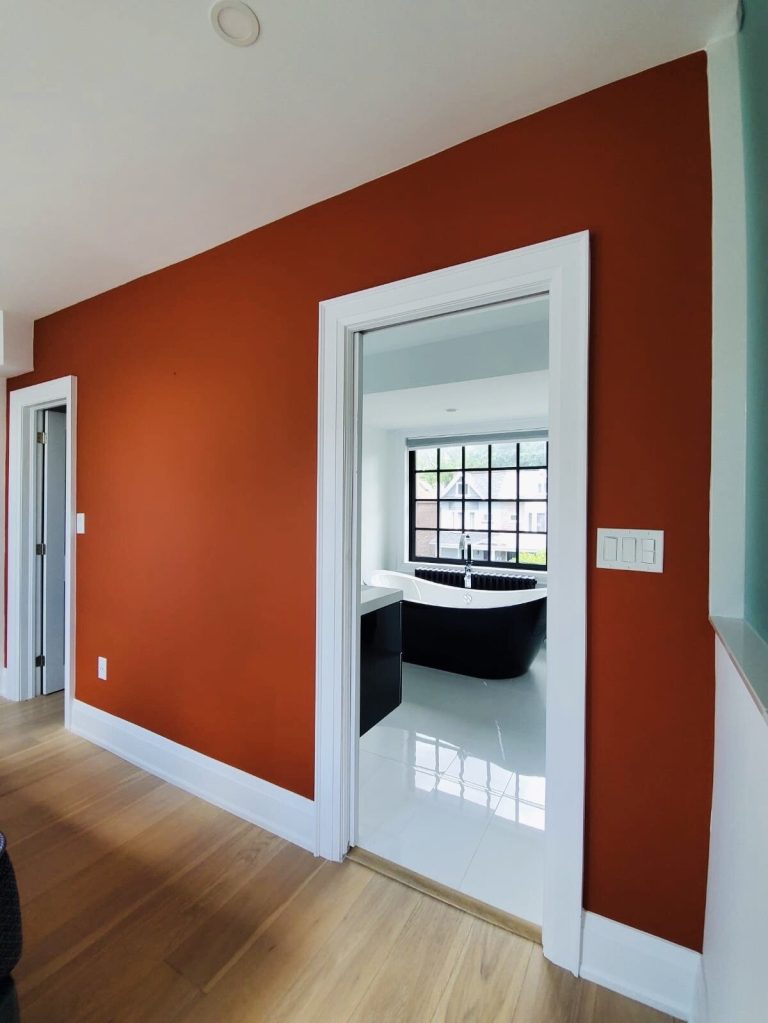
Updating your home’s living space can instantly revitalize its overall look, comfort, and value. A fresh coat of paint remains one of the most effective ways to completely transform a property without going through the stress of a major construction overhaul. Whether you are looking to brighten up a dark hallway, modernize a tired living room, or give your entire house a fresh aesthetic, interior painting offers endless possibilities for customization and style.
To achieve flawless results that stand the test of time, proper execution and expert planning are essential. Working with experienced interior painters chicago can eliminate the common headaches associated with home improvements, ensuring smooth lines, even coverage, and durable finishes. The experts at Revive 360 Renovations understand that every home has unique structural features and light profiles, making custom approach strategies vital for any residential project.
Understanding Paint Finishes and Sheens
Selecting the correct paint finish is just as crucial as choosing the right color palette. Sheen affects not only how light reflects across your walls but also how easily the surface can be cleaned and maintained over the years. Flat or matte finishes offer no shine, making them ideal for concealing minor wall imperfections in low-traffic areas like bedrooms and ceilings. However, because matte finishes tend to absorb moisture and dirt, they require gentle care during routine maintenance.
On the higher end of the shine spectrum, eggshell and satin finishes strike an ideal balance between subtle gloss and practical durability. These sheens work exceptionally well in busy living rooms, family areas, and hallways because they resist scuffs while remaining easy to wipe down. For high-moisture spaces such as bathrooms and kitchens, or high-impact features like doors and trim, semi-gloss and gloss finishes are recommended. Revive 360 Renovations frequently guides homeowners through selecting the precise sheen levels necessary to balance beauty with daily wear and tear.
Essential Surface Preparation Steps
A high-quality paint application depends heavily on the thoroughness of the surface preparation. Skipping prep work often leads to peeling paint, visible patches, and premature wear. Before opening a single can of paint, the room must be cleared of furniture, and flooring should be protected with heavy-duty drop cloths rather than lightweight plastic sheets that easily slip.
Next, walls must be thoroughly cleaned to remove dust, grease, and grime that could prevent new paint from adhering properly. Any existing wall damage, such as nail holes, hairline cracks, or dented drywall, needs to be filled with spackling compound, allowed to dry fully, and sanded smooth. Experienced interior painters chicago know that applying a quality primer is an essential step, especially when painting over bare drywall, covering dark colors, or sealing repaired areas to prevent uneven sheen absorption.
Choosing the Right Tools and Paint Types
Using premium materials dramatically influences both the application process and the final visual quality. High-grade latex water-based paints have become the standard for modern residential interiors due to their quick drying times, low odor, and minimal volatile organic compound emissions. Low-VOC and zero-VOC options allow homeowners to enjoy freshly painted interiors without worrying about harsh chemical fumes lingering in their living environments.
Pairing quality paint with the right tools ensures crisp lines and uniform texture across every wall. Synthetic bristle brushes made of nylon or polyester work best with latex paints, offering precise control around baseboards, door frames, and ceiling corners. Roller covers should be chosen based on wall texture; shorter nap rollers create smooth finishes on standard drywall, while thicker nap rollers allow paint to penetrate rougher surfaces like brick or textured plaster. Revive 360 Renovations always utilizes industry-grade tools to ensure smooth coats across every surface.
Professional Painting Techniques for Seamless Coverage
Executing a professional-grade paint job requires systematic technique and patience. The painting process typically begins with cutting in, which involves using an angled sash brush to carefully paint along edges, corners, and trim lines where rollers cannot reach comfortably. Working in manageable sections prevents the cut-in edges from drying completely before the adjacent wall areas are rolled, allowing the wet edges to blend seamlessly without leaving visible lap marks.
When applying paint with a roller, working in a series of overlapping W or M patterns ensures even distribution of material across large surfaces. Once a section is covered, light vertical strokes help smooth out any excess paint before moving on to the next section. Allowing adequate drying time between coats is critical for proper adhesion and color depth. Consulting skilled interior painters chicago ensures that every phase of application follows strict quality protocols for lasting durability.
Maintaining Your Freshly Painted Interiors
Once your new paint job is complete and fully cured, maintaining its pristine look requires minimal effort. Avoid scrubbing newly painted walls for at least two to three weeks, as full curing takes time depending on humidity and indoor temperatures. For ongoing maintenance, dust walls regularly with a soft microfiber cloth to prevent buildup in corners and along baseboards.
When minor marks or smudges appear, clean them using a gentle sponge dipped in warm water mixed with a mild dish soap. Avoid harsh chemical cleaners or abrasive scouring pads, which can burnish the paint finish and create shiny patches on matte or eggshell surfaces. By following proper care guidelines and partnering with trusted professionals like Revive 360 Renovations for periodic touch-ups, your home interiors will stay vibrant, clean, and welcoming for many years to come.
Frequently Asked QuestionsHow long does an interior painting project typically take?
A single room usually takes one to two days, including surface preparation, priming, and applying two finish coats. Larger multi-room or whole-home projects completed by Revive 360 Renovations generally take three to five days depending on space size and structural repair needs.
How many coats of paint are necessary for full coverage?
In most standard scenarios, two coats of quality paint applied over a properly prepared or primed surface deliver optimal coverage, color accuracy, and long-term durability.
Should baseboards and trim be painted before or after walls?
Professionals typically paint trim and baseboards first. Once the trim dries, it can be taped off cleanly so the walls can be painted without accidental drips on the woodwork.
How long does paint take to dry between coats?
Latex interior paints are usually dry to the touch in one to two hours, but it is best to wait four hours before applying a second coat to ensure proper bond strength.
How can homeowners eliminate paint odor quickly after a job?
Choosing low-VOC or zero-VOC paint products significantly minimizes fumes. Keeping windows open and running fans to promote steady airflow will clear residual odors within 24 to 48 hours.