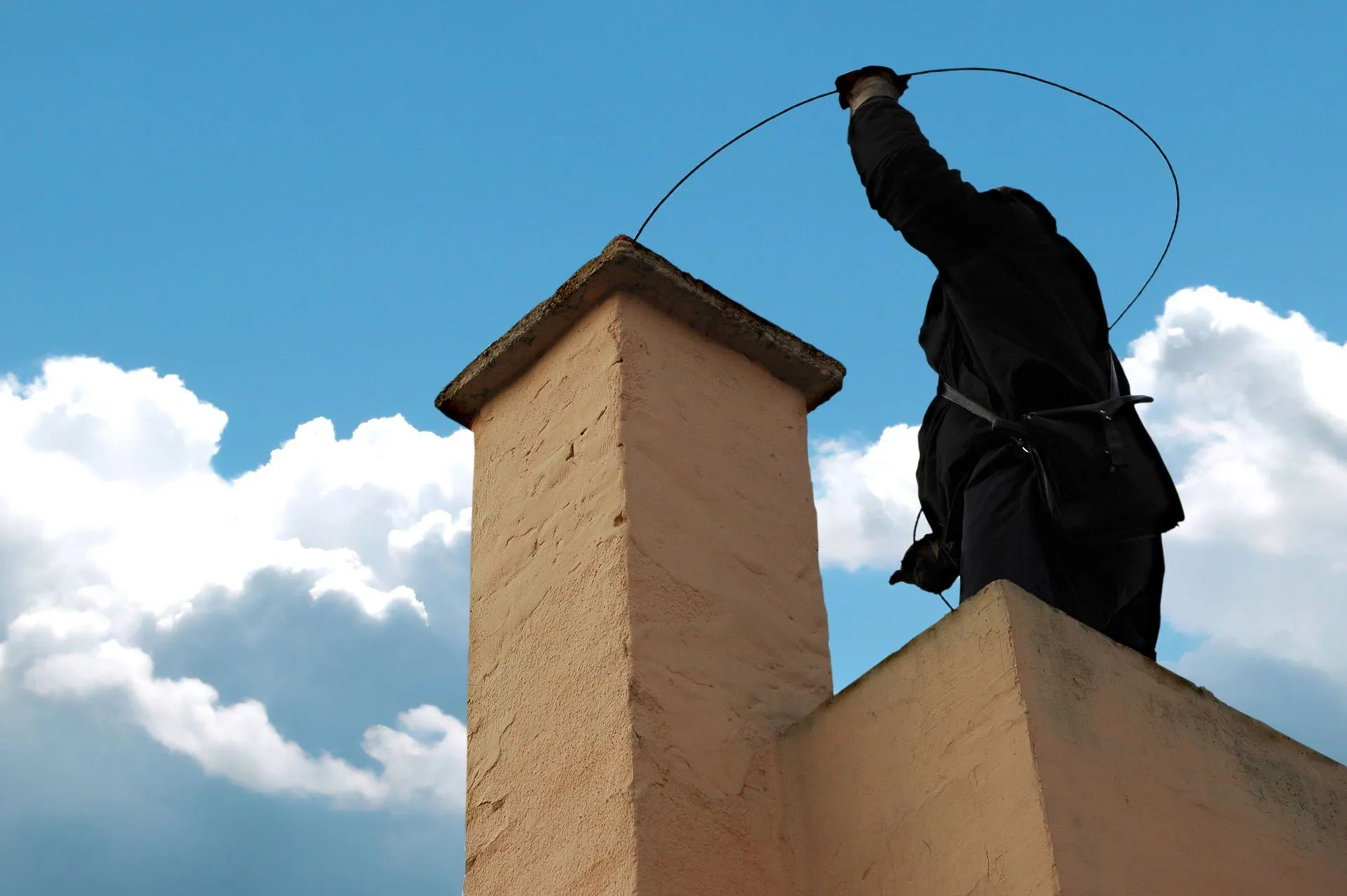
A chimney is one of the most important systems in a home with a fireplace, but it is also one of the easiest to overlook. While homeowners often focus on maintaining their roof, HVAC system, and plumbing, the chimney quietly faces constant exposure to rain, snow, wind, heat, and seasonal temperature changes.
For homeowners throughout Greater Boston, Eastern Massachusetts, and Central Massachusetts, regular chimney maintenance is especially important. Areas such as Boston, Newton, Brookline, Quincy, Cambridge, Waltham, Lexington, Framingham, Worcester, and surrounding communities experience harsh winters, moisture, and freeze-thaw cycles that can gradually weaken chimney structures.
Routine maintenance does more than keep a chimney looking clean. It helps identify small issues before they become expensive repairs, protects indoor air quality, improves fireplace performance, and helps preserve the safety and value of the home.
Why Chimney Maintenance Should Be Part of Home Care
Many chimney problems develop slowly. A small crack in the mortar, a damaged chimney cap, or early signs of water intrusion may not seem urgent at first. However, small issues can quickly become larger problems when exposed to months of changing weather conditions.
Because chimneys are located outside the main living area and above the roofline, homeowners may not notice damage until it has already progressed. By the time water stains appear inside the home or bricks begin to deteriorate, the repair may require more time and investment.
Regular chimney maintenance allows homeowners to stay ahead of these problems by identifying damage early and addressing repairs before they affect other parts of the property.
Protecting Your Home From Water Damage
Water is one of the biggest threats to chimney systems. Masonry materials are strong, but they are naturally porous. Over time, rain and snow can enter small cracks in bricks, mortar joints, chimney crowns, or flashing areas.
During Massachusetts winters, trapped moisture can freeze and expand inside the masonry. This repeated expansion and contraction can cause cracks to grow, mortar to break down, and bricks to weaken.
Regular inspections help identify areas where water may be entering the chimney. Repairs such as sealing damaged masonry, fixing flashing issues, replacing worn chimney caps, or repairing crowns can help prevent moisture from spreading into walls, ceilings, and other structural components of the home.
Preventing Expensive Masonry Repairs
Chimney masonry is designed to last for many years, but it still requires proper care. Missing mortar, cracked bricks, and deteriorating joints can compromise the stability of the chimney structure.
Ignoring minor masonry damage often leads to more extensive repairs later. A small area of deterioration may eventually require larger sections of brick replacement or rebuilding if moisture continues to penetrate the chimney.
Homeowners in cities such as Worcester, Framingham, Lexington, and Waltham should pay close attention to masonry conditions because seasonal weather changes can accelerate deterioration.
Routine maintenance allows professionals to evaluate the condition of the chimney and recommend repairs based on the actual level of damage instead of waiting until a serious issue develops.
Reducing the Risk of Chimney Fires
For homeowners who regularly use wood-burning fireplaces, chimney cleaning is an essential part of maintenance. Burning wood creates smoke, gases, and creosote, a flammable residue that can accumulate inside the chimney flue.
Over time, excessive creosote buildup can restrict airflow and increase the risk of chimney fires. Even homeowners who use their fireplaces only during colder months should not assume the chimney remains clean because limited use can still create deposits.
Professional chimney cleaning removes buildup and allows the chimney system to operate more efficiently. Maintenance also provides an opportunity to identify cracks, blockages, or other issues that could affect fireplace safety.
Homeowners looking for professional chimney care can learn more throughhttps://topdogchimney.com/ and explore services designed to help protect residential chimney systems.
Improving Fireplace Performance and Efficiency
A properly maintained chimney helps a fireplace work the way it was designed to. When airflow is restricted by debris, creosote, damaged components, or other issues, homeowners may experience poor draft, smoke entering the room, difficulty maintaining a fire, or unpleasant odors.
Regular maintenance helps keep the chimney clear and allows smoke and combustion gases to exit the home properly.
A fireplace that works efficiently is not only more enjoyable but can also help homeowners avoid unnecessary frustration during the colder months. After all, few things are less relaxing than sitting beside a fireplace that refuses to cooperate when temperatures drop.
Protecting Indoor Air Quality
A chimney’s primary purpose is to safely remove smoke and gases from the home. When the system is blocked, damaged, or poorly maintained, those gases may not vent properly.
Issues such as animal nests, debris, excessive buildup, or damaged liners can interfere with normal chimney operation. Regular inspections help detect these concerns before they affect the indoor environment.
Maintaining a clean and functional chimney supports healthier airflow and reduces the chance of unwanted odors, smoke problems, or ventilation concerns inside the home.
Extending the Life of Your Chimney System
A chimney represents a significant part of a home’s structure, and replacing or rebuilding one can be a major expense. Routine maintenance helps extend the lifespan of chimney components by addressing wear before it becomes severe.
Simple maintenance tasks, such as regular inspections, chimney sweeping, checking the cap condition, and repairing minor masonry problems, can prevent larger failures in the future.
For homeowners in Massachusetts, where chimneys are exposed to snow, ice, rain, and temperature fluctuations throughout the year, preventative care is one of the best ways to protect this important home feature.
The Importance of Professional Chimney Inspections
While homeowners can look for visible signs of damage from the ground, many chimney problems are hidden. Issues inside the flue, behind flashing, or within the chimney structure may require professional inspection methods to identify.
A professional inspection can evaluate the condition of the chimney, identify potential safety concerns, and provide recommendations based on the specific needs of the home.
This proactive approach gives homeowners a clearer understanding of their chimney’s condition and helps them make informed decisions about repairs and maintenance.
Preparing Your Chimney Before Massachusetts Winters
Winter preparation is especially important for homeowners across Greater Boston and Central Massachusetts. Before temperatures drop, homeowners should make sure their chimney is ready for increased fireplace use and harsh weather conditions.
Checking for cracks, scheduling cleaning, inspecting chimney caps, and addressing moisture issues before winter arrives can help prevent emergency repairs during the coldest months of the year.
Taking care of chimney maintenance before problems appear is often far less expensive than dealing with extensive water damage, structural repairs, or chimney replacement.
Key Takeaways
Regular chimney maintenance is an important part of protecting your home from costly damage. Small problems such as cracks, leaks, creosote buildup, damaged flashing, and worn chimney components can become much more serious when left untreated.
For homeowners throughout Greater Boston, Eastern Massachusetts, and Central Massachusetts, routine inspections and maintenance help prevent water damage, improve fireplace performance, reduce fire risks, and extend the life of the chimney system.
By scheduling regular chimney care and addressing issues early, homeowners can protect their property, maintain a safer living environment, and avoid unexpected repair costs in the future.