Hygienic walls and ceilings are essential in environments where cleanliness, durability, and compliance are critical. From commercial kitchens and healthcare facilities to food production areas and washrooms, having fully sealed, easy-to-clean surfaces ensures high hygiene standards are maintained at all times.
By combining wall cladding systems with ceiling solutions, businesses can create a fully integrated space that is not only compliant but also practical, long-lasting, and visually consistent.
What Are Hygienic Walls & Ceilings?
Hygienic walls and ceilings refer to surface systems designed to prevent contamination, resist moisture, and allow for easy cleaning. These systems typically include PVC wall cladding sheets, ceiling planks or panels, trims, adhesives, and sealants.
The goal is to create a smooth, non-porous finish across both vertical and overhead surfaces. Unlike traditional materials such as tiles or painted plaster, hygienic systems minimise joints and eliminate porous surfaces, reducing the risk of bacteria build-up.
By treating walls and ceilings as part of the same system, it ensures a fully sealed environment that supports hygiene and compliance.
Key Benefits of Hygienic Systems
One of the main benefits of hygienic walls & ceilings is ease of cleaning. The smooth surfaces allow for quick wipe-downs, making it easier to maintain cleanliness in environments that require frequent cleaning.
Moisture resistance is another important advantage. These systems prevent water penetration, reducing the risk of mould, mildew, and structural damage.
Durability also plays a key role. Hygienic panels are designed to withstand daily wear, cleaning chemicals, and environmental conditions, ensuring long-term performance.
In addition, these systems support compliance with hygiene regulations, particularly in sectors such as food production and healthcare.
Components of a Hygienic System
A complete hygienic wall and ceiling system includes several key components. Wall cladding panels form the main surface, while ceiling planks or panels provide a matching overhead finish.
Trims and profiles are used to seal edges, corners, and joins, ensuring a neat and hygienic installation. Coving is often used at wall-to-ceiling junctions to create smooth transitions that are easier to clean.
Adhesives are used to bond panels to surfaces, while silicones and sealants ensure all joints are watertight and hygienic.
Together, these components create a fully integrated system that performs effectively over time.
Applications Across Industries
Hygienic walls and ceilings are used across a wide range of industries. In commercial kitchens, they provide a compliant surface that can handle heat, moisture, and frequent cleaning.
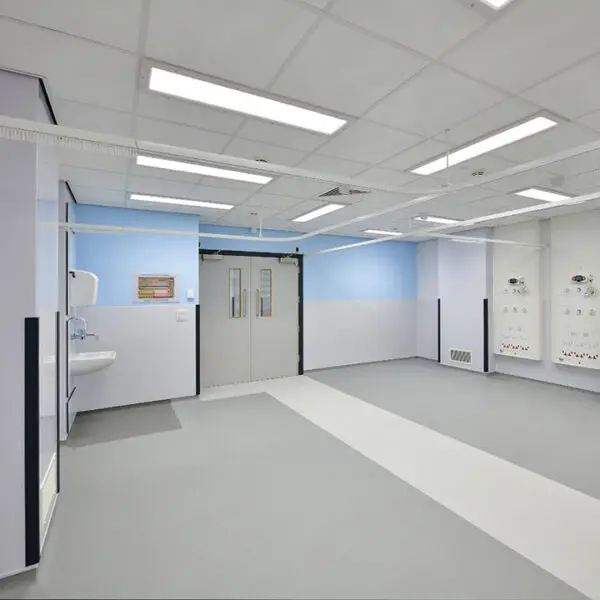
Healthcare environments rely on these systems to support infection control, particularly in areas where sterile conditions are required.
Food processing facilities use hygienic systems to meet strict regulations and maintain safe production environments.
Other applications include washrooms, laboratories, educational facilities, and industrial spaces, where cleanliness and durability are essential.
Installation and System Design
Installing hygienic walls and ceilings involves careful planning and preparation. Surfaces must be clean and suitable for fixing panels, and all components must be selected to ensure compatibility.
Panels are cut to size and fixed using appropriate adhesives or fixings. Trims and coving are installed to seal edges and transitions, while sealants are applied to create a watertight finish.
A well-designed system ensures that all elements work together, delivering both performance and a professional appearance.
Maintenance and Long-Term Performance
Maintenance of hygienic walls and ceilings is straightforward. Regular cleaning with appropriate products is usually sufficient to keep surfaces in good condition.
The durability of the materials ensures long-term performance, even in demanding environments. This reduces the need for repairs and helps maintain a consistent standard of hygiene.
Because the system is fully sealed, there are fewer areas where dirt and bacteria can accumulate, making ongoing maintenance more efficient.
A Complete Approach to Hygiene
Hygienic walls and ceilings provide a complete solution for creating clean, safe, and durable environments. By combining wall and ceiling systems into a single integrated approach, they ensure consistent performance across all surfaces.
For businesses and organisations that prioritise hygiene, investing in a full wall and ceiling system is a practical and effective way to meet modern standards while maintaining a professional and long-lasting finish.