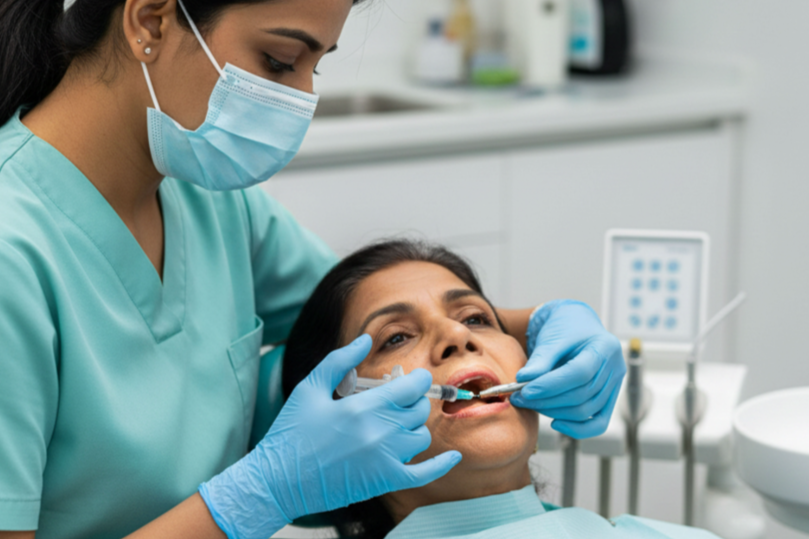
Daily brushing and flossing often feel like mundane chores, tacked onto the beginning and end of a busy schedule. Many individuals view these habits purely through an aesthetic lens, hoping to maintain a bright smile and avoid unpleasant breath. Yet, the human mouth acts as a direct, highly vascular gateway to the body’s internal systems. When patients ask why is oral hygiene important, the answer stretches far beyond the prevention of localized cavities or superficial stains. The oral cavity harbors a complex microbiome. While most resident bacteria remain benign, poor maintenance allows harmful pathogens to multiply rapidly, setting off a biological chain reaction that can severely compromise major organs.
The Inflammatory Pathway
Deep beneath the gum line, a silent battle frequently takes place. When plaque, a sticky, bacteria-laden film accumulates along the dental margins, it provokes the immune system. The resulting inflammation initially presents as gingivitis, causing swollen, tender, and bleeding gums. If left unmanaged, this localized irritation escalates into periodontitis, an aggressive infection that actively destroys the soft tissue and alveolar bone supporting the teeth.
This inflammatory response does not remain confined to the jawbone. Chronic inflammation in the mouth prompts the body to release cytokines and acute-phase proteins into the bloodstream. These inflammatory markers travel throughout the entire circulatory system, forcing the body into a perpetual state of low-grade immune alert. Over time, this constant immune activation exhausts systemic defenses and leaves the body vulnerable to remote complications.
Cardiovascular Vulnerabilities
Cardiologists and periodontists share a mutual concern regarding bacterial pathways. Extensive medical research consistently links severe gum disease with an elevated risk of developing cardiovascular issues. Specific strains of oral bacteria, such as Porphyromonas gingivalis, can breach the vascular system through microscopic tears in diseased gum tissue.
Once circulating, these microbes have the potential to attach to fatty plaques lining the coronary arteries. This mechanism accelerates atherosclerosis, the dangerous narrowing of blood vessels that often precipitates heart attacks and ischemic strokes. Furthermore, individuals with damaged heart valves face an acute risk of endocarditis, a life-threatening infection of the heart’s inner lining caused directly by blood-borne pathogens originating from severe dental infections.
The Bidirectional Diabetic Challenge
The relationship between blood sugar regulation and periodontal health operates as a strict, bidirectional physiological loop. Individuals managing diabetes already face an increased susceptibility to severe infections due to compromised circulation and immune function, making them prime targets for rapid gum deterioration.
Conversely, active periodontal disease makes metabolic control significantly more difficult to achieve. The systemic inflammation triggered by heavily infected gums directly impairs the body’s cellular ability to utilize insulin effectively. This induced insulin resistance causes blood sugar levels to spike unpredictably, which in turn fuels further bacterial growth within the mouth. Breaking this vicious cycle requires aggressive, daily plaque removal alongside professional interventions from modern dental facilities like Dentprime to stabilize both the oral environment and overall metabolic function.
Neurological and Reproductive Factors
Emerging medical studies continue to uncover startling connections between the mouth and the brain. Pathological bacteria originating from chronic, untreated gum infections have been identified in the brain tissue of patients suffering from Alzheimer’s disease. While the exact mechanics of causation remain under rigorous investigation, the presence of these specific pathogens suggests that long-term oral neglect might actively contribute to cognitive decline.
Similarly, maternal health heavily depends on an infection-free oral cavity. Pregnant individuals grappling with severe periodontitis carry a statistically higher risk of premature delivery and delivering infants with low birth weights. The inflammatory chemicals triggered by untreated gum disease can cross the placental barrier, potentially disrupting normal fetal development timelines and inducing early labor.
Treating the mouth as an isolated structure fundamentally ignores human biology. Brushing twice daily with fluoride toothpaste, performing precise interdental cleaning, and attending regular professional screenings form the baseline of systemic preventive medicine. By actively managing the bacterial load within the oral cavity, individuals protect their cardiovascular network, support their metabolic stability, and shield their long-term cognitive health. Consistent dental hygiene functions as a daily medical intervention, heavily fortifying the body’s natural defenses against severe, life-altering diseases.