Casual clothes have come a long way from their original purpose as basic, comfortable clothes for relaxing occasions. It tells people what to wear to work, travel, social activities, and even semi-formal functions. This change was not random. It shows bigger changes in how people live, work, shop, and think about self-expression. More and more, modern fashion trends prefer clothes that feel natural, can be worn all day, and can be changed. Because of this, casual wear is becoming the most important thing that affects modern fashion.
Changing Lifestyles And Daily Routines
One of the main reasons casual wear has become more popular is because of how life has changed throughout time. People today have to do a lot of different things in a single day, like work, run errands, and spend time with friends and family without taking extended vacations. It has become necessary to have clothes that support this flexible schedule. Casual clothes are more flexible than traditional formal clothes.
Remote employment and mixed schedules have also changed how people think about clothing requirements. When your home and business locations are the same, wearing stiff clothes seems pointless and impractical. Many professionals choose clothes that look good on video calls and are comfortable to wear for a long time. This change has made looser shapes, softer fabrics, and useful designs that still look polished and normal.
Comfort As A Core Fashion Value
Comfort is becoming a key priority in current fashion, and it affects how consumers rate the quality and style of clothes. Casual clothes are good for long days and a lot of different activities since they are easy to move in, made of breathable materials, and have utilitarian designs. In the past, fashion focused on structure and limits. Now, it celebrates clothes that help people stay healthy.
Fashion news from places like The Globe and Mail regularly talks about how decisions based on comfort are no longer considered lazy or out of style. Instead, studies show that people are more careful about how they dress, putting their own requirements ahead of old-fashioned conventions. Because of this cultural acceptance, casual clothes can now go places that used to be only for formal clothes.
Blurring Lines Between Formal And Casual
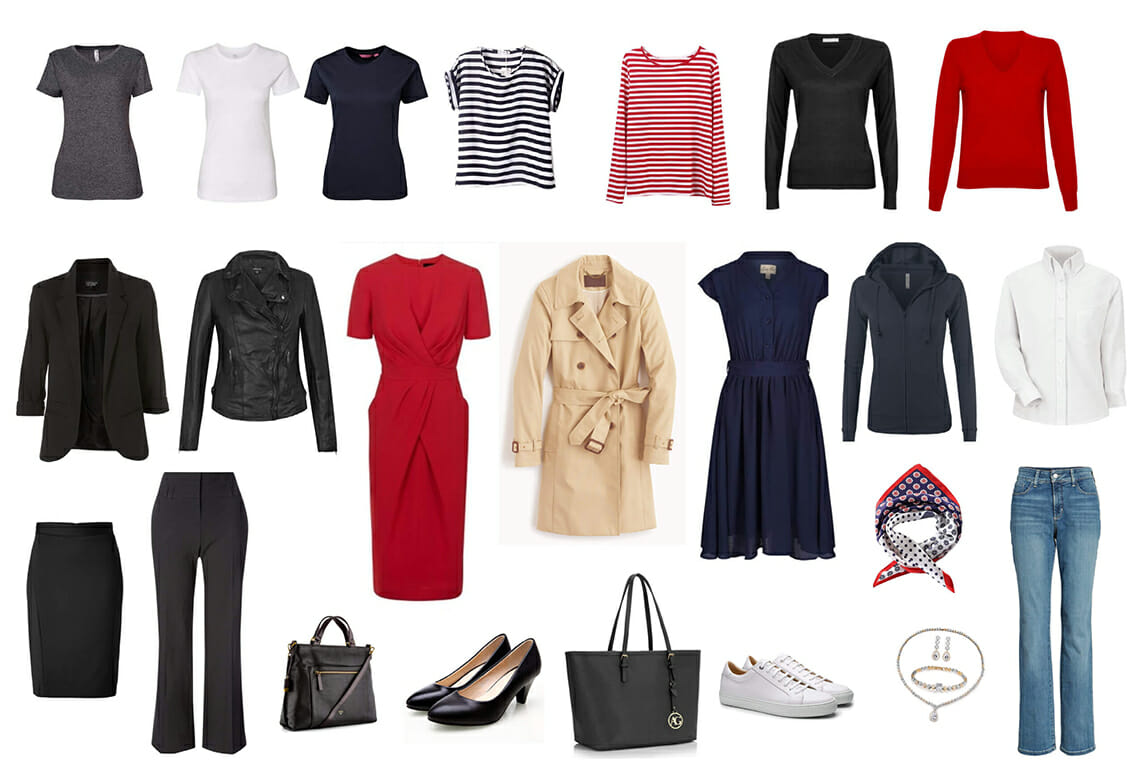
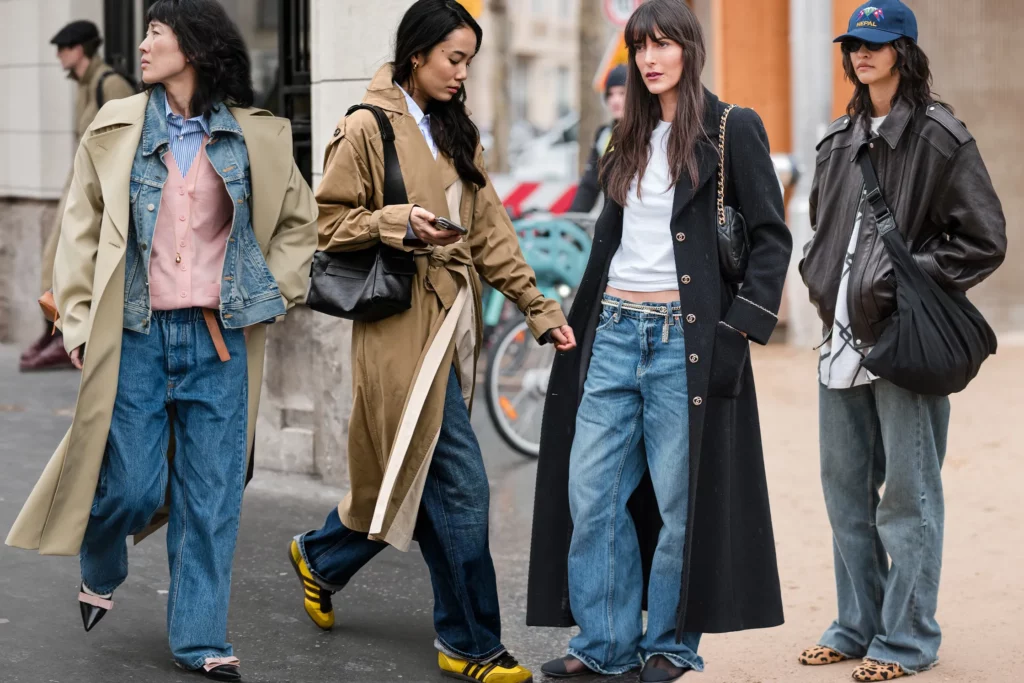
Casual wear’s popularity lies in its fluid fashion categories and their mix. Work clothes, casual clothes and street style have blurred into one another; now people often pair sneakers with fitted pants; loose jackets over basic tees; enhanced knitwear instead of stiff shirts are worn alongside each other in casual looks.
Designers and businesses have responded by creating collections that fall between formal and casual in terms of comfort, allowing people to appear classy without feeling restricted by rules of formal clothing. This approach makes casual clothes even more accessible so they can be worn more readily at events than before.
Influence Of Media And Cultural Narratives
Media channels have a big impact on what people like to wear. There are a lot of articles, opinion pieces, and trend reports that talk about how casual fashion fits with current principles like authenticity, balance, and being unique. TheQuint and other magazines regularly talk about fashion in relation to social change. They point out how loose clothing shows how people’s views on work, identity, and achievement are changing.
Celebrities, influencers, and other prominent people also help tell this story by dressing casually in public and on social media. When famous people choose clothes that are comfortable over clothes that are more glamorous, it supports the concept that style doesn’t have to be uncomfortable.
Accessibility And Inclusivity In Fashion
Casual clothing can be easier to purchase and style than many other forms. Casual garments offer universal appeal across ages, body types, and fashion tastes; casual clothes tend to fit loosely while offering adjustable features and being basic in design.
Casual clothes have quickly become popular worldwide as trends transcend cultural and geographic barriers. Publications like TheBrisbaneTimes have covered how current fashion is becoming more democratic by moving away from rigid rules to creating clothes which can easily fit into daily life – casual wear helps facilitate this transformation by placing more importance on practicality rather than status symbolism.
Sustainability And Mindful Consumption
People are also wearing casual clothes more because they care about the environment. A lot of people are turning away from trends that change quickly and buying clothes that stay longer and can be worn in many places. Casual clothes are typically in line with this way of thinking because they are not really seasonal and may be worn in a variety of different ways.
Simple designs and strong materials help consumers be more conscious about what they purchase, encouraging a greater focus on quality over quantity when selecting clothing purchases. Casual clothes make an excellent option for buyers interested in protecting our environment.
Global Appeal And Cultural Shifts
Casual dress is becoming more popular all around the world because of city living, digital culture, and changing social standards. In many places, flexible clothing restrictions are a sign of a bigger societal change toward valuing balance and well-being above strict rules. The Sun Australia and other media sites often talk about how casual styles are the most popular in street fashion, travel looks, and everyday wardrobes in many places.
This acceptance around the world makes casual clothing even more of a universal fashion language. It lets people from different backgrounds express themselves while still feeling good about what they’re wearing.
Conclusion
Casual wear has quickly become the go-to fashion choice of today because it embodies so perfectly what people experience daily life. Casual clothing adapts well to changing work methods, puts comfort first, promotes diversity, and represents shifting cultural norms. Fashion will keep evolving to meet real life’s requirements; casual clothes likely always being part of that evolution; they represent real change that feels real, useful, and humanized rather than simply passing trends.