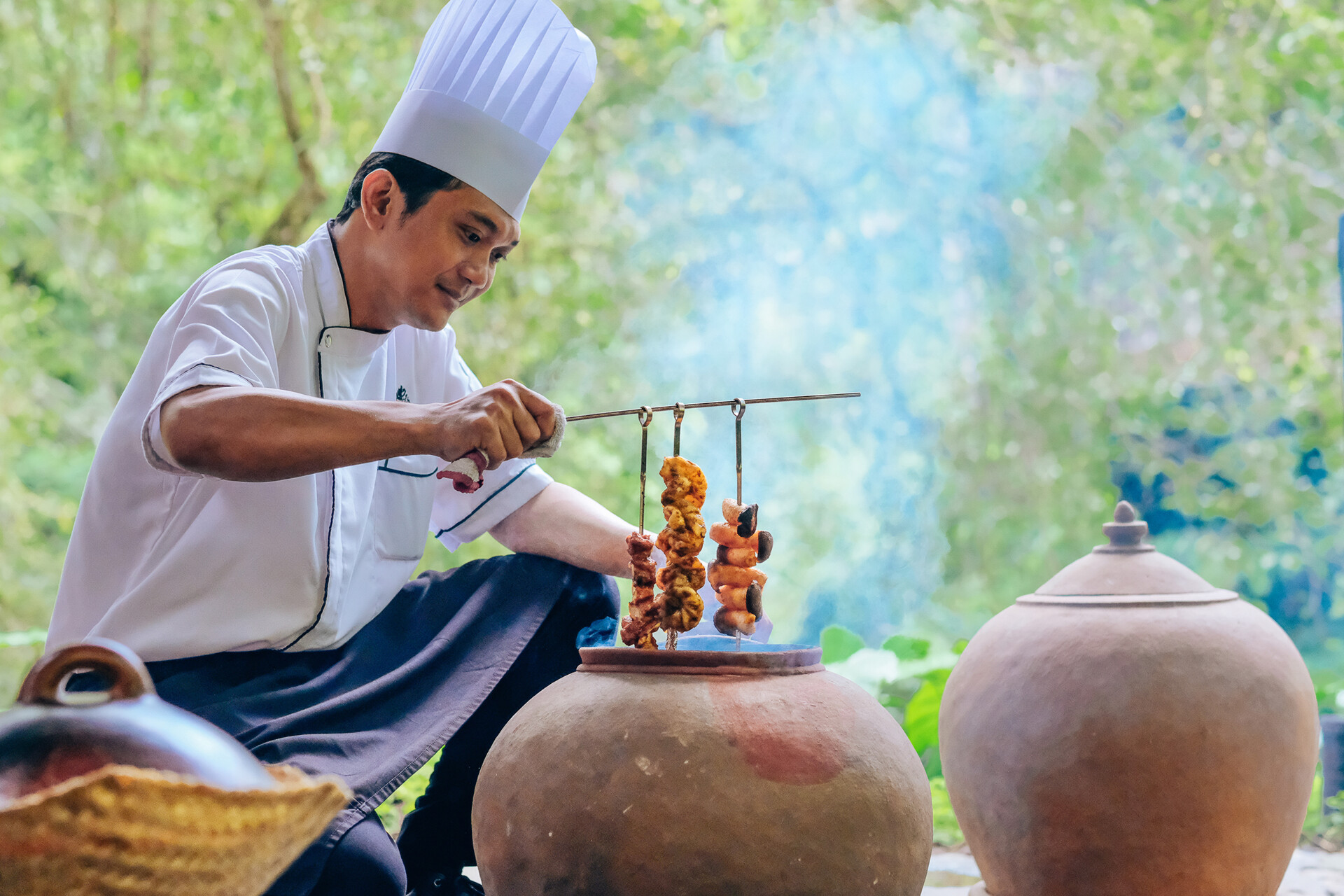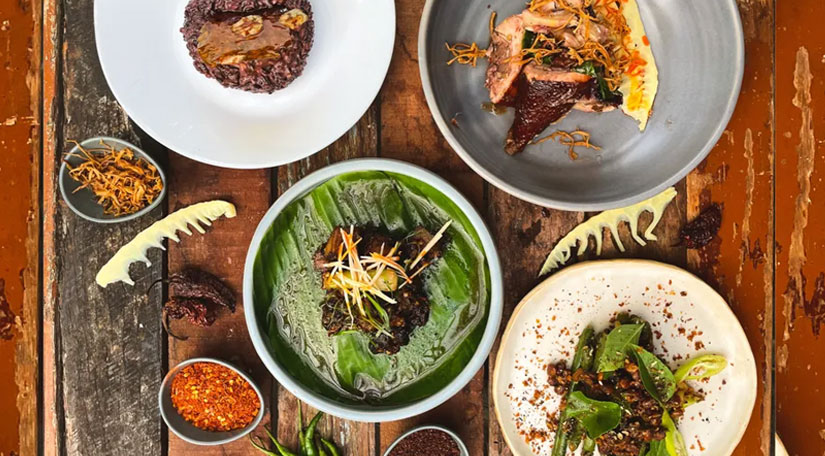
I would love to learn more about Nagaland’s cuisine, not just through restaurants but also by getting to know the locals and customs that go into each dish. Local products, seasonal ingredients, smoking, and fermentation all contribute to Naga cuisine’s distinctive character. Rice, smoked pork, fermented soybeans, bamboo shoots, and leafy vegetables are usually included in a meal.
The connection between food and daily life in Nagaland is what most intrigued me. Traditional food is an integral component of family customs, regional festivals, and communal identity; it is not just something made for guests. I started with neighbourhood eateries in Kohima and went to cultural venues like Kisama Heritage Village to respectfully enjoy it.
Start with traditional Nagaland food in Kohima
Anyone interested in learning more about Naga cuisine can start with Kohima. It is simpler to sample different cuisines before visiting smaller towns because the metropolis has eateries that provide regional cuisine. Bamboo shoots, smoked beef, and axone—a fermented soybean component featured in several Naga dishes—are the kinds of preparations I enjoyed.
For a taste of local cuisine, visitors can visit Kohima’s Morung Kitchen. I asked the waiters about the local specials that day instead of ordering standard items. Asking about the ingredients and cooking technique can establish expectations because some preparations, especially those incorporating fermented ingredients, have strong, earthy flavours.
Another place to explore is Kohima’s Bamboo Shoot. Along with any traditional dishes on the menu, bamboo-shoot preparations are worth enquiring about. During lunch, I took my time and asked questions when the staff wasn’t too busy. Lunch can be a helpful introduction to regional culinary customs.
Explore Nagaland food and culture at Kisama Heritage Village
Another way to learn about the various Nagaland communities is at Kisama Heritage Village, near Kohima. While the annual Hornbill Festival gathers entertainment, crafts, and food vendors together in one location, its traditional buildings and cultural areas offer tourists facets of Naga heritage.
Travellers should clarify the dates and plans for their intended visit, as the festival typically takes place from December 1 to December 10. You can try local cuisine and talk to merchants about ingredients at food stands. Instead of assuming that one dish symbolises every Naga community, I saw this as an introduction to Nagaland’s culinary diversity.
The best approach is to ask what a dish is called, which community or tradition it comes from and how people usually eat it. Vendors may be busy, especially during festival hours, so keep questions brief and avoid interrupting food preparation or service. A respectful exchange is far more valuable than simply photographing an unfamiliar meal.
Experience home cooking in a Nagaland village homestay
I tried staying with a local host in or near Khonoma, a community adjacent to Kohima renowned for its cultural legacy, to have a closer look at ordinary cuisine. A homestay provided was a good alternative to the restaurant, as the family’s cooking methods and seasonal ingredients were reflected in the meals.
I expressed my interest in traditional Naga cuisine to the host beforehand. Some households were pleased to provide recipes or describe how they make local vegetables, fermented soybeans, and smoked meat.
Learning how food fits into everyday activities was another benefit of cooking at home. I approached lunch as an opportunity to listen, learn, and enjoy the hospitality. To make expectations clear, I arranged the visit through a community-based tourism company or local guide.
Make the experience respectful and comfortable in Nagaland
The most memorable dining encounters started with listening. Before taking pictures of a cook, a family dinner, or a private kitchen, I asked for permission. Food customs should be treated with the same respect as other aspects of regional culture.
Making travel and lodging arrangements ahead of time helps facilitate these trips. While a village homestay can be ideal for visitors who like to spend more time with local hosts, Kohima is a good starting point for dining establishments and Kisama. Check the location, dining options, and transportation options when making travel plans, particularly if you intend to visit rural areas. Travellers can plan before demand rises by booking hotels online in advance of the Hornbill Festival.
Final thoughts
Nagaland offers many ways to discover its food, from a traditional meal in Kohima to festival stalls and home cooking in a village. I would approach each experience with curiosity rather than a checklist, ask about the people and traditions behind the dishes, and respect any boundaries set by local hosts.
For me, the real value of exploring Naga cuisine lies in understanding the everyday practices that keep these food traditions alive. A good meal may introduce a new flavour, but a thoughtful conversation with the person who prepared it can leave a much deeper impression.