Key Takeaways:
- Industrial casters significantly enhance workplace efficiency by facilitating smooth and effortless movement of equipment and materials.
- Advancements in caster technology have improved ergonomics, reduced noise, and enhanced sustainability across various industries.
- Proper selection and maintenance of casters are crucial for optimizing performance and ensuring workplace safety.
Table of Contents:
- Introduction
- Enhancing Workplace Ergonomics
- Advancements in Caster Technology
- Noise Reduction and Safety
- Sustainability in Caster Design
- Choosing the Right Casters
- Maintenance and Care
- Conclusion
Introduction
Efficient movement of equipment and materials is foundational to productivity in modern industrial environments. The unsung hero behind this seamless mobility is often the industrial caster, a simple yet sophisticated wheel system installed beneath carts, machines, and tools.
By facilitating ergonomic, agile movement of heavy loads, casters revolutionize workflows while boosting worker safety and operational flexibility. Businesses seeking to optimize efficiency often turn to proven, high-performance brands like Hamilton Casters for reliable motion solutions that withstand demanding environments.
Properly chosen and maintained casters do more than make objects mobile—they reduce physical strain on workers, minimize workplace accidents, and contribute to noise abatement and environmental sustainability. Their impact is felt across everything from manufacturing floors and warehouses to hospitals and laboratories, underscoring the vital role of the right caster technology across diverse industries.
Enhancing Workplace Ergonomics
The science of ergonomics is about adapting tools and environments to reduce stress and risk of injury in daily tasks. With heavy equipment and awkward loads a reality in many workspaces, casters are important tools for ergonomic safety. By allowing staff to push, pull, and steer cumbersome objects with minimal effort, casters substantially reduce the prevalence of musculoskeletal disorders, one of the most common and costly workplace injuries worldwide.
Manufacturing operations, in particular, benefit from well-designed swivel and rigid casters. When equipment can be repositioned easily and safely, overall productivity increases, and the risk of injury from lifting or improperly dragging heavy objects decreases.
Research from the Occupational Safety and Health Administration (OSHA) continually underscores the value of reducing manual lifting to help avoid strains and sprains on the job. Integrating effective caster solutions into the workplace is a proactive approach to long-term employee well-being.
Advancements in Caster Technology
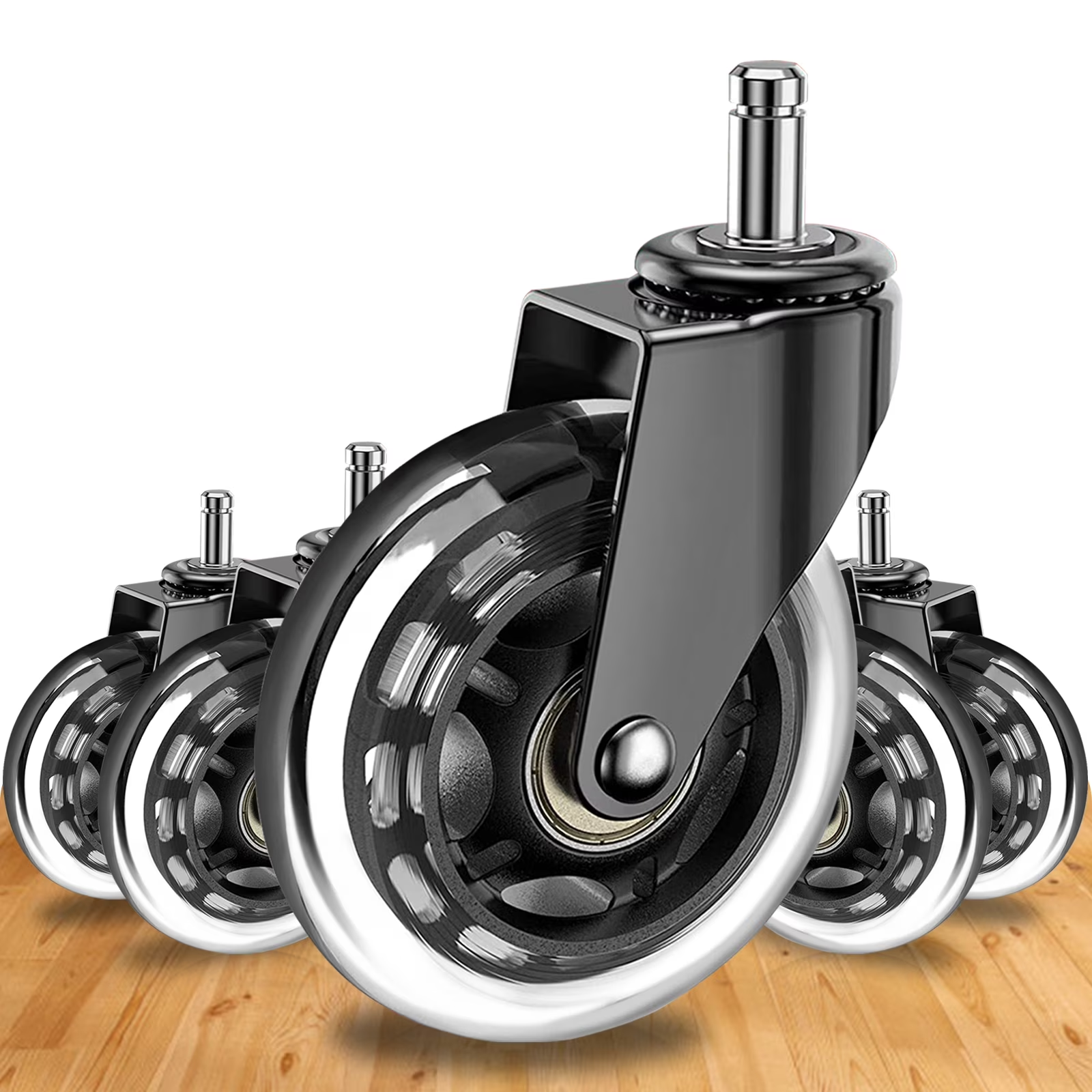
Today’s caster market is shaped by rapid technological improvement. Material engineering has led to the development of wheels made from robust polyurethanes and thermoplastic elastomers, delivering smoother, longer-lasting performance. Advanced precision bearings allow for seamless rotation and rolling—even under high loads—while specialized caster designs introduce features such as integrated shock absorption and vibration damping, further enhancing the operator’s control and comfort.
Diverse environments demand casters tailored to unique needs. For example, medical environments require non-marking, ultra-quiet casters, while industrial floors need rugged wheels that resist oil and chemical damage.
Sophisticated caster design is also leading to better workplace hygiene, with options now available that resist debris and microbial accumulation and facilitate easy cleaning. Insights into industrial mobility innovation can be further explored in major industry analyses, such as Forbes’ roundup of the Internet of Things in manufacturing, which highlights how even small components like casters play a crucial role in lean manufacturing and automation.

Noise Reduction and Safety
Noise exposure is linked to stress, fatigue, and even hearing loss for employees, making low-noise equipment an important part of occupational safety strategies. New caster options, such as those equipped with built-in suspension systems, dramatically reduce rolling and impact noise.
For instance, the CasterShoX® wheel series incorporates advanced damping technology, reducing workplace ambient noise by up to 64%. These innovations contribute directly to OSHA’s guidelines for workplace noise abatement and foster a healthier, more productive environment. Major news publications like The Wall Street Journal have highlighted these efforts and their tangible benefits to workplace culture and safety.
Sustainability in Caster Design
As sustainability becomes an operational priority, many caster manufacturers are advancing green initiatives. Some now utilize recycled plastics or biodegradable polymers to create wheels and frames, helping reduce landfill impact. Others design casters for extended longevity to minimize replacement frequency, thus reducing overall resource consumption. Companies in the healthcare and office furniture sectors, for example, are increasingly requesting eco-friendly caster options that align with LEED certification goals and responsible procurement standards.
Choosing the Right Casters
Proper caster selection is critical for safety, performance, and operational success. The main considerations include
- Load Capacity: The caster’s weight rating must match or exceed the combined weight of the equipment and its expected contents.
- Floor Compatibility: The wheel’s material should suit the flooring—softer wheels for hard surfaces and harder wheels for soft floors—to prevent floor damage and ensure smooth, steady movement.
- Environmental Factors: Consider if casters will be exposed to chemicals, moisture, or temperature cycles, as certain materials withstand these conditions better than others.
Consulting with an expert or reputable supplier ensures that casters are matched to the demands of your environment and workflow, investing in both safety and efficiency for the long term.
Maintenance and Care
Even the best casters require attentive care for optimal performance. Consistent inspection allows teams to identify wear and tear, debris buildup, or diminished rolling action before they become causes for workplace incidents.
Cleaning the wheels and lubricating bearings and swivels extends service life and preserves mobility, reducing downtime and costly emergency replacements. Establishing a preventive maintenance plan within a broader equipment care schedule can pay dividends by reducing risk and improving operational uptime.
Conclusion
Industrial casters play a critical yet often unseen role in transforming workspaces. By enabling smooth, safe, and flexible movement of heavy equipment and materials, they boost productivity and morale while reducing injury risks. Innovations in caster technology continue to improve energy efficiency, noise control, and even workplace sustainability.
With careful selection and regular maintenance, businesses can create environments that not only move more efficiently but are safer and more comfortable for everyone involved.