Technology has always shaped how we live, but in recent years it has started to influence even the smallest parts of our daily routines. From the moment we wake up to the time we go to bed, there’s a good chance an app or device is guiding some part of our day. The newest wave of this evolution is specialized lifestyle technology—tools built for very specific needs, interests, and habits.
Rather than offering broad, all-in-one solutions, these apps focus on doing one thing exceptionally well. This targeted approach is changing how people approach everything from personal health and fitness to entertainment, budgeting, and habit management.
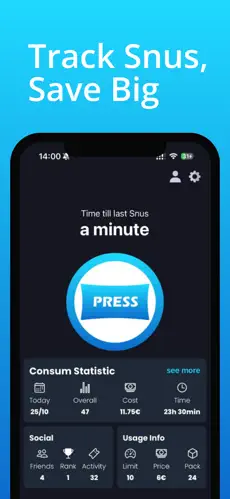
One of the most interesting areas where this is happening is in habit tracking. Apps like Breezer – snus habit tracker, built specifically for snus and nicotine pouch users, highlight exactly why specialized technology is becoming so valuable.
Why Specialized Lifestyle Tech Is Growing
In the early days of smartphones, “lifestyle” apps were usually broad in scope. A single app might claim to track your exercise, help you budget, teach you to meditate, and plan your meals. The problem? When one tool tries to do too much, it often sacrifices quality in specific features.
Consumers today have different expectations. They want tools that feel tailor-made for their lives. This shift is being driven by three main factors:
- Personalization: Users are looking for features and interfaces that match their exact needs, not a generic template.
- Relevance: A focused app can provide more detailed insights and more accurate recommendations.
- Ease of Use: Removing unnecessary features makes apps simpler, faster, and more enjoyable to use.
This is why specialized apps are seeing higher engagement and retention rates compared to broader platforms.
Everyday Examples of Specialized Lifestyle Apps
Specialized lifestyle tech isn’t just about health—it touches almost every aspect of modern living.
- Finance: Budgeting apps like YNAB and PocketGuard help users focus on a particular money management style.
- Wellness: Sleep Cycle focuses purely on improving sleep quality using detailed monitoring.
- Fitness: Couch to 5K targets beginner runners with structured, progressive training plans.
- Nutrition: MyNetDiary offers tailored tracking for specific diets like keto or vegetarian.
And in the realm of habit tracking, Breezer offers an example of how niche focus leads to better results.
Breezer: A Case Study in Specialized Habit Tracking
Breezer is designed for a very specific audience—people who use snus or nicotine pouches and want to better understand their usage. It’s not a generic wellness tracker and it doesn’t try to cover every possible habit. Instead, it focuses entirely on making nicotine pouch tracking simple, accurate, and useful.
Key Features That Show Its Specialization
- One-Tap Logging: Records each pouch instantly, making it practical for real-world use.
- Time Since Last Use: Offers real-time feedback that helps users space out consumption.
- Spending Insights: Calculates costs over time, supporting multiple currencies for global relevance.
- Brand Database: Lets users log by brand for more accurate personal statistics.
- Gamification: Streaks, leaderboards, and badges keep engagement high.
- Rewards: Verified promo codes and occasional giveaways add real-world benefits.
These features are valuable because they’re designed specifically for this habit—there’s no clutter from unrelated metrics or goals.
The Impact of Specialized Tech on User Behavior
The precision of specialized lifestyle apps often leads to better adoption and consistency. When an app aligns perfectly with a user’s needs, it becomes part of their daily routine. That means:
- Data is more complete and accurate.
- Users feel understood and catered to.
- Engagement stays high over time.
In Breezer’s case, the data it provides—usage patterns, cost tracking, and brand preferences—helps users make informed choices without applying pressure to quit. This non-judgmental approach fosters trust and long-term usage.
Why This Matters for the Future of Tech
Specialized lifestyle technology is part of a broader movement toward personalization in the digital space. We’re seeing it in e-commerce (product recommendations), entertainment (personalized playlists), and now wellness and lifestyle management.
For developers, it’s a reminder that narrowing the focus can broaden the impact. Apps that solve one problem very well can outperform broader competitors, especially when that problem affects a passionate or underserved user group.
For consumers, it’s a sign that the app marketplace is evolving to deliver higher value. Instead of downloading one “do-it-all” tool, people can choose a collection of specialized apps that each handle a different part of their routine.
Challenges and Considerations
While specialized apps offer many benefits, they also face challenges:
- Smaller Audience Size: By focusing on a niche, developers limit their potential market.
- Competition from Larger Platforms: Bigger wellness apps may try to copy niche features.
- Need for Continuous Relevance: To keep users engaged, specialized apps must update regularly with relevant improvements.
Breezer’s approach—expanding its brand database, adding multi-currency support, and maintaining active engagement features—shows how a niche app can overcome these challenges.
Final Thoughts
The rise of specialized lifestyle technology marks an important shift in how we use apps. Rather than settling for broad tools that do many things moderately well, people are seeking focused solutions that excel in one area.
Breezer is a clear example of this in the habit-tracking space. By tailoring its design to the specific needs of snus users, it delivers features that are more relevant, more engaging, and ultimately more effective than any generic tracker could provide.
As technology continues to weave itself into our everyday lives, expect to see even more apps like Breezer—tools that prove the best way to improve our routines isn’t always to add more features, but to focus on the right ones.