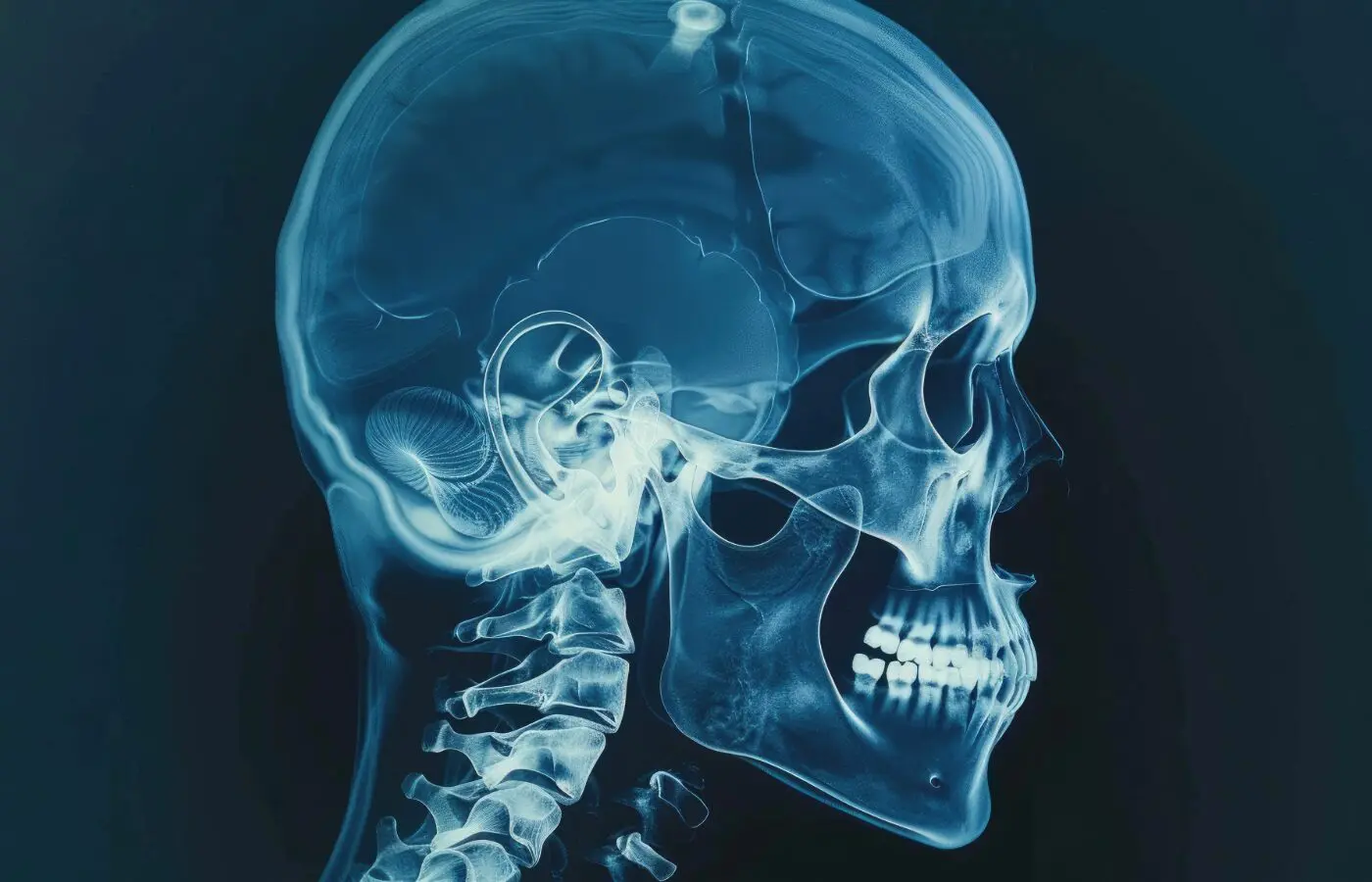
Breathing is often thought of as a function of the lungs, but the structure of the jaw plays a surprisingly important role in how easily air moves through the upper airway. Subtle differences in jaw position can influence airflow during both waking hours and sleep, sometimes without obvious warning signs.
The Jaw’s Role in Airflow
The upper and lower jaws form the framework that supports the tongue, soft palate, and surrounding airway tissues. When the jaws are positioned in a balanced way, these structures remain stable and unobstructed. However, if the jaws sit too far back or lack adequate support, airway space may become restricted.
This restriction does not always cause immediate breathing difficulty. In many cases, the body compensates for years before symptoms such as disrupted sleep, daytime fatigue, or mouth breathing become noticeable.
Why Airway Changes Can Go Unnoticed
Airway-related jaw issues often progress gradually. Because changes occur slowly, individuals may adapt without realizing their breathing efficiency has declined. Symptoms may be attributed to lifestyle factors rather than underlying anatomical causes.
Structural evaluation helps clarify whether airway narrowing is related to jaw position, joint health, or skeletal balance rather than soft tissue alone.
The Relationship Between Joint Health and Airway Support
Temporomandibular joint stability influences how the lower jaw rests during sleep. When joint support weakens, the jaw may shift backward, reducing airway space. This relationship highlights why joint health is an important consideration when evaluating breathing-related concerns.
Clinical insights and long-term observations from experienced specialists, including a Maxillofacial Surgeon, have contributed to understanding how jaw position and joint condition affect airway stability over time.
A Structural Perspective on Breathing
Looking at breathing through a structural lens allows for a more complete understanding of why some airway issues persist despite non-structural treatments. It also explains why jaw evaluation is sometimes relevant even when symptoms appear unrelated to the mouth or teeth.
Final Perspective
Jaw position and airway anatomy are closely linked, influencing breathing efficiency in ways that are not always obvious. Recognizing this connection helps build a clearer picture of how structural factors contribute to long-term respiratory comfort and overall function.