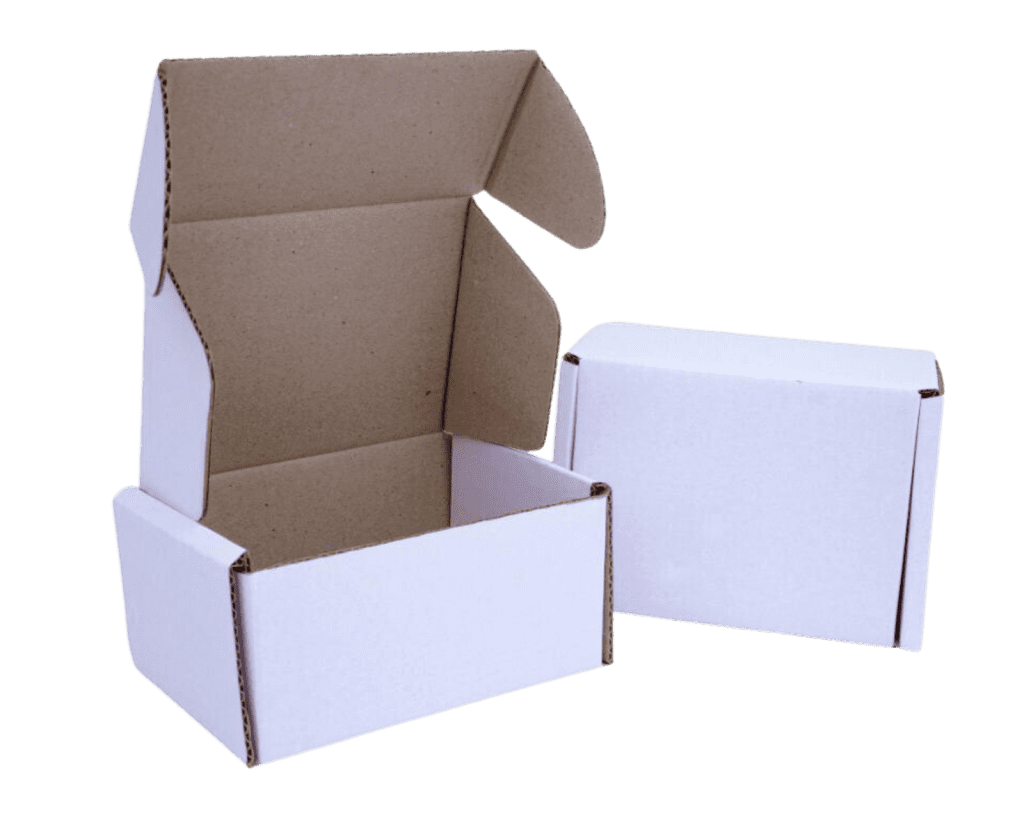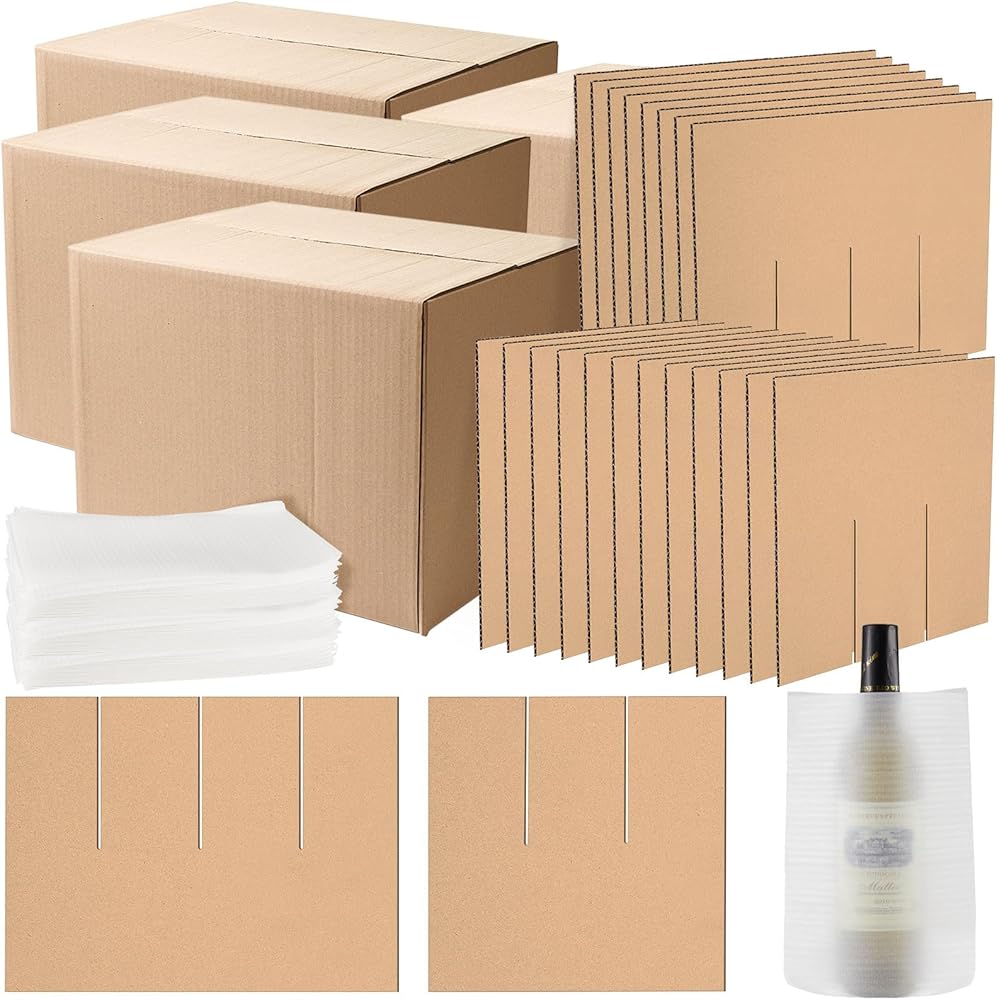
As manufacturers and distributors continue to adopt lean principles, packaging is increasingly viewed as part of the production system rather than a downstream activity. Excess motion, inconsistent materials, and unclear packing methods all introduce waste that undermines efficiency. One of the most practical ways to address these issues is through the use of standardized packaging kits supported by a reliable packaging supply company.
When designed correctly, packaging kits bring structure, predictability, and control to environments where speed and accuracy matter.
Packaging and Lean Operations
Lean manufacturing focuses on eliminating waste in all forms, including excess handling, waiting time, overprocessing, and defects. Packaging directly affects each of these areas.
When operators must search for packaging supplies, make decisions on the fly, or correct packing errors, waste accumulates quickly. Packaging kits help eliminate these inefficiencies by defining exactly what materials are used and how they are applied.
A packaging supply company with lean experience can help align packaging kits with broader operational goals, ensuring packaging supports flow rather than disrupting it.
What Makes Packaging Kits Lean-Friendly
Packaging kits simplify work at the point of use. Each kit contains the exact packaging supplies needed for a specific product, shipment type, or process step. This eliminates guesswork and reduces variability between operators and shifts.
In lean environments, this standardization supports consistent cycle times and predictable outcomes. Operators spend less time making decisions and more time executing value-added tasks.
Packaging kits also support visual management, as missing or incomplete kits are easy to identify and correct before they disrupt production.
Reducing Motion and Handling Waste
One of the most common forms of waste in packaging operations is unnecessary motion. Walking to retrieve boxes, searching for cushioning materials, or substituting supplies slows down work and increases fatigue.
Packaging kits reduce this waste by consolidating all required packaging supplies into a single unit that can be staged at the workstation or line side. This improves ergonomics and shortens travel distances.
A packaging supply company that understands facility layout can design kits that integrate seamlessly with workstations and storage systems.
Improving Packing Accuracy and Consistency
Inconsistent packaging is a common source of defects and rework. When operators select materials independently, packing quality varies and damage rates increase.
Packaging kits address this issue by locking in approved materials and quantities. Each kit reflects a validated packaging configuration, ensuring products are packed the same way every time.
This consistency is especially valuable in environments with high employee turnover or multiple shifts, where informal knowledge transfer is unreliable.
Packaging Kits and Inventory Simplification
Managing individual packaging supplies often leads to complex inventory systems with dozens of SKUs to track and replenish. This complexity increases the risk of stockouts or excess inventory.
Packaging kits simplify inventory management by shifting control from individual items to complete kits. Forecasting becomes easier, and replenishment is more predictable.
Packaging supply companies that manage kitting programs often support inventory planning, helping organizations reduce carrying costs and improve material availability.
Supporting Kitting and Assembly Operations
Packaging kits are particularly valuable in kitting and light assembly environments. When packaging is part of the assembly process, missing or incorrect materials can halt production.
Pre-assembled packaging kits ensure all necessary packaging supplies are available at the right time, supporting uninterrupted workflow. This reduces line stoppages and improves throughput.
In many cases, packaging kits are configured to align with bill-of-material structures, further integrating packaging into production planning.
Cost Control Through Standardization
Packaging costs are often managed at the unit level, but the true cost includes labor, waste, rework, and damage. Packaging kits help control these hidden costs by improving efficiency and reducing errors.
Standardized packaging supplies are less likely to be overused or substituted incorrectly. This reduces material waste and supports more accurate cost forecasting.
A packaging supply company with cost-analysis capabilities can help quantify these savings and refine kit configurations over time.
Packaging Kits and Quality Systems
In regulated or quality-driven environments, packaging consistency is essential. Packaging kits support quality systems by ensuring only approved materials are used and applied correctly.
This is particularly important when packaging specifications are tied to customer requirements or internal quality standards. Kits reduce the risk of nonconformance caused by material substitutions.
Packaging kits also improve traceability, as materials included in each kit can be standardized and documented.
Flexibility Without Chaos
One concern about standardization is loss of flexibility. Packaging kits address this by allowing controlled variation. Different kits can be created for different products, customers, or shipping methods without introducing confusion.
A packaging supply company can design modular kit families that share common packaging supplies while accommodating specific requirements. This approach balances flexibility with control.
As product lines evolve, packaging kits can be updated systematically rather than reinvented on the floor.
Sustainability Benefits of Packaging Kits
Sustainability goals often align with lean principles. Packaging kits support sustainability by reducing excess materials, preventing overpacking, and improving right-sizing.
When packaging supplies are pre-defined, unnecessary components are eliminated. This reduces waste and lowers environmental impact.
Packaging supply companies with sustainability expertise can further optimize kits by selecting materials that balance performance and environmental responsibility.
The Importance of Packaging Expertise
Packaging kits are most effective when designed with a deep understanding of materials, processes, and workflows. Poorly designed kits can create bottlenecks or fail to protect products adequately.
Packaging professionals bring experience across industries and applications, helping organizations select the right packaging supplies and configure them effectively.
Testing and pilot programs help validate kits before full deployment, reducing risk and ensuring smooth adoption.
Long-Term Value of Supplier Partnerships
Organizations that successfully implement packaging kits often rely on long-term relationships with a trusted packaging supply company. These partnerships support continuous improvement and consistent sourcing.
Suppliers such as OEM Materials are frequently engaged by organizations seeking comprehensive packaging support, including packaging supplies and packaging kits tailored to lean operations.
These relationships allow packaging systems to scale alongside production growth and operational change.
Packaging Kits as a Lean Advantage
Packaging kits are not just a convenience—they are a strategic enabler of lean operations. By reducing waste, improving consistency, and simplifying inventory, they help packaging support rather than hinder performance.
When developed in collaboration with an experienced packaging supply company and built from well-specified packaging supplies, packaging kits become a powerful tool for operational excellence.
As manufacturers continue to pursue efficiency and resilience, packaging kits will remain a cornerstone of lean packaging strategy.