

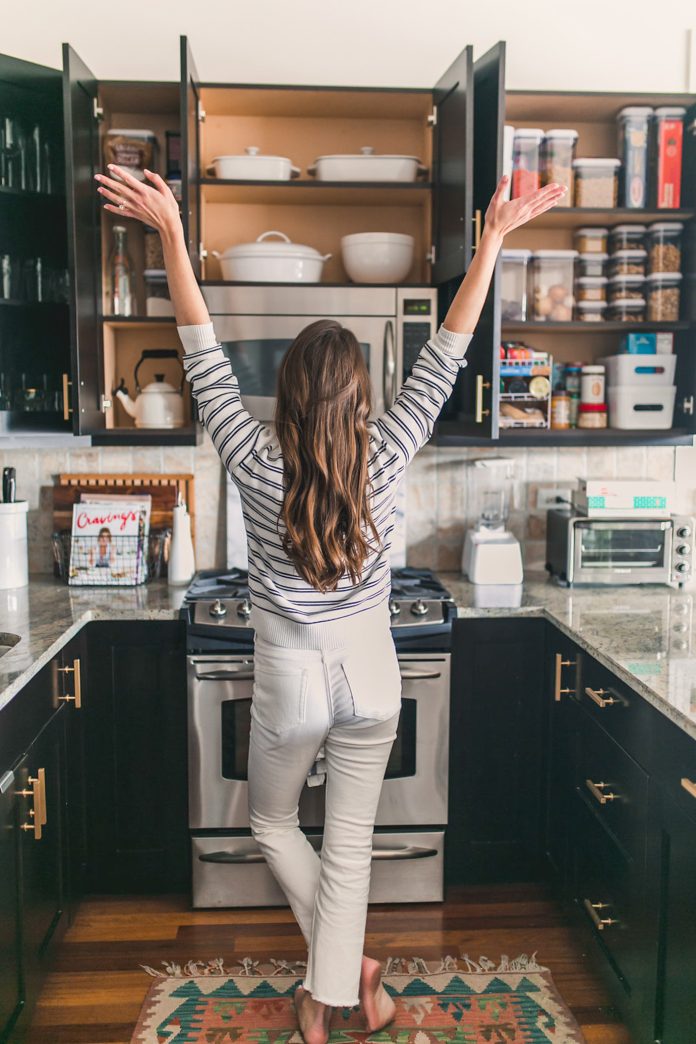
A well arranged kitchen helps you save time and reduce stress. Clear cabinets also help you manage your space better. Many readers on Neon Shapes highlight that small changes in cabinet layout make daily tasks easier. You can apply the same idea in your home with simple steps that improve storage and flow.
Start With a Full Clear Out
Take everything out of your cabinets. You need to see what you own. Place items on a counter and sort them into groups. Keep the items you use daily at the front. Move seasonal or rarely used items to the side. This step helps you understand your real storage needs.
Check every item. Remove anything broken. Remove duplicates you never use. Keep only what supports your cooking routine. You create more space when you stay strict with this part.
Clean Every Surface
Clean the inside of each cabinet. Remove dust. Wipe down shelves. Dry the space before placing anything back inside. Clean shelving improves the look and smell of your kitchen. It also keeps dishes safe from bacteria.
Use liners if your shelves get dirty quickly. Liners protect the wood and make cleaning easier. You can change them at any time without much effort.
Plan Your Cabinet Layout
Place items based on use. Keep everyday plates and glasses on the middle shelves where you can reach them easily. Keep heavy pots in lower cabinets to avoid accidents. Store baking tools in one place so you can grab them fast when needed.
Keep pantry items in one cabinet. Arrange items by category. For example, keep all grains together and all spices together. You find what you need faster when you stay consistent with placement.
Add Storage Solutions
Use shelf risers to create more levels. Use pull out trays to access deep areas. Use turntables for sauces or spices. These tools help you avoid clutter and improve visibility. Many homeowners find that simple add ons make storage more efficient.
Use clear bins for loose items. Label bins so you know what goes inside. You save time when everything has a set place.
Organize by Frequency of Use
Keep items you use daily at the front. Keep weekly items in the middle. Place rarely used items at the top or bottom. This structure keeps your workflow simple. You avoid reaching or bending too much.
For example, keep cutting boards, cooking oil, and daily plates in easy reach. Store large roasting pans higher. This method reduces time spent searching.
Maintain a Clean System
Keep your layout simple enough to follow every day. Put items back in the same spot after use. A clear structure keeps your space neat without extra effort.
Hub Blogging often shares that organized kitchens improve daily productivity because you cut down on small delays. You can see that in your home when your cabinets stay tidy for weeks instead of days.
Group Similar Items Together
Group pots with lids. Keep baking sheets together. Keep all cleaning supplies in one area, away from food. You make your kitchen safer and easier to use when you avoid mixing unrelated items.
Sort spices alphabetically or by cuisine. Arrange dry items by size so they stay stable on the shelf. These small steps reduce visual clutter.
Use Vertical Space
Add hooks to the inside of cabinet doors. Hang measuring cups or small tools. Use tall organizers for cutting boards and trays. You increase your storage without buying larger cabinets.
Use stackable containers to maximize pantry space. Choose containers that match in size so they stack neatly. Stability improves when sizes match.
Check Expiry Dates Often
Expired items take up valuable space. Check pantry items every month. Remove anything outdated. This habit keeps your storage fresh and usable.
Rotate products so older items stay in the front. This helps you avoid waste and maintain a clean pantry.
Create Zones Inside Cabinets
Set zones for breakfast items, cooking tools, snacks, spices, or baking ingredients. Each zone helps you stay organized. You save time during meal prep because each group stays in one area.
Use small dividers inside drawers for tools. Keep sharp tools separate from soft tools. You reduce the chance of injury and keep your drawers tidy.
Keep the System Flexible
Your needs change across the year. Adjust your layout when needed. If you start baking more, move baking tools to an accessible shelf. If you cook larger meals during holidays, adjust space for seasonal items.
A flexible setup keeps your kitchen functional. You stay productive without redoing everything from scratch.
Review Your Cabinet Setup Every Few Months
Take ten minutes every few months to check your cabinets. Remove anything you no longer use. Clean shelves if needed. A quick review prevents clutter from building up again.
Readers on Blogging Fort often mention that regular small checks keep storage under control without major work. The habit takes little time but makes a big impact on kitchen comfort.
Final Thoughts
You can organize your kitchen cabinets with simple steps that focus on clarity and function. Start with a clear out. Use smart storage tools. Create zones. Maintain the system every week. Your kitchen becomes easier to use and cleaner throughout the year.


