Home Blog Page 12

How to Build Long-Term Saving Habits

0
How to Build Long-Term Saving Habits

You strengthen your financial life when you build saving habits that stay with you for many years. Many readers of Hover Phenix want simple steps that help them save money without pressure or confusion. Saving works best when you break it into small actions that fit your daily routine. You do not need large changes to see progress. You only need steady habits that support your goals.

Start by understanding your spending. List your monthly expenses. Track the amount you spend on food, bills, transport, and small daily purchases. This gives you a clear picture of where your money goes. When you see this pattern, you can cut unnecessary costs and free more money for savings.

Set Clear Saving Goals

Your saving habits improve when you set specific goals. Decide what you want to save for. It can be an emergency fund, home repairs, education, travel, or long term security. A clear goal helps you stay focused. Break the total amount into smaller monthly targets. This makes the process easier and more realistic.

Keep your goals visible. Write them on your phone notes or place them on your desk. This simple step reminds you to stay consistent. A focused approach ensures you save with purpose instead of saving without direction.

Create a Simple Monthly Budget

A budget helps you control your money. Divide your income into categories like savings, bills, food, transport, and personal spending. Put a small portion of your income into savings first. This action makes savings a priority instead of an afterthought.

Use tools like budget apps or printable charts. These tools help you track progress during the month. Many readers of Answer Ques use a basic budget to stay disciplined. Consistent budgeting helps you avoid overspending and keeps your savings safe.

Start with Small, Steady Contributions

Saving becomes easier when you start with small amounts. You can save a fixed amount each week or month. The amount does not need to be large. What matters is consistency. When you save regularly, your savings grow without stress.

Increase your savings slowly as your income grows. If you get a bonus or extra income from work, save a part of it. This boosts your progress and reduces the pressure to save more during regular months.

Reduce Unnecessary Expenses

Look for areas where you spend more than you need. Compare prices before buying groceries. Limit impulse purchases. Review your subscriptions and cancel the ones you do not use. These small steps help you free funds for long term saving.

Plan your meals at home instead of buying fast food. Use public transport when possible. Shop during sales and use discount codes. These habits help you save money without lowering your living standards.

Build an Emergency Fund

You protect your savings when you have an emergency fund. This fund covers unexpected expenses like medical bills, car repairs, or urgent home fixes. Aim to save at least three to six months of basic expenses. Start with a small target and build it slowly.

Keep this fund in a separate account. Do not mix it with your daily spending money. A separate account reduces the temptation to use it for non emergency purposes.

Use Automatic Transfers

Automatic transfers make saving easier. Set your bank to transfer a fixed amount from your main account to your savings account each month. This method removes the need for manual action. It also helps you save without skipping months.

Automation works well for people who forget to make regular transfers. It ensures your savings grow even when your schedule gets busy.

Track Your Progress Each Month

Check your savings at the end of each month. Review what worked well and what did not. If you overspent in one area, adjust your budget for the next month. Tracking helps you improve your habits without losing motivation.

Celebrate small milestones like reaching your first hundred or thousand saved. These moments show your progress and encourage you to keep going.

Avoid High Debt

High debt slows down saving. Pay your debts as soon as possible. Start with the smallest debt or the one with the highest interest rate. When you clear your debt, you free up more money for savings.

Avoid taking unnecessary loans. Use credit only when needed. A careful approach protects your long term goals.

Improve Your Income When Possible

Look for opportunities to increase your earnings. You can take small freelance tasks, part time work, or sell unused items. Use the extra income to boost your savings. Even small increases help you reach goals faster.

Learn new skills that improve your career. A higher income gives you more financial freedom and supports steady saving habits.

Stay Consistent During Difficult Months

You may face months when saving feels harder. Bills rise, emergencies occur, or income changes. Adjust your saving amount instead of stopping completely. Even saving a small amount keeps your habit alive.

Consistency matters more than the size of your contribution. This mindset helps you build a long term pattern that stays strong.

Keep Your Savings Safe

Use a secure savings account. Pick an account that offers a good return and easy access during emergencies. Avoid risky investments if you are new to saving. Protecting your savings is more important than rushing for quick returns.

Store your financial documents in a safe place. Keep backups of your digital records. These steps keep your financial planning clear and protected.

Final Tips for Building Long-Term Saving Habits

You build strong saving habits when you set clear goals, follow a budget, and stay consistent. Small actions create long term results that improve your financial stability. Your savings grow when you reduce unnecessary expenses and focus on steady contributions. Many readers of What News 2 Day use these steps to manage their money with confidence and discipline.
How to Prevent Home Mold and Mildew

0
How to Prevent Home Mold and Mildew

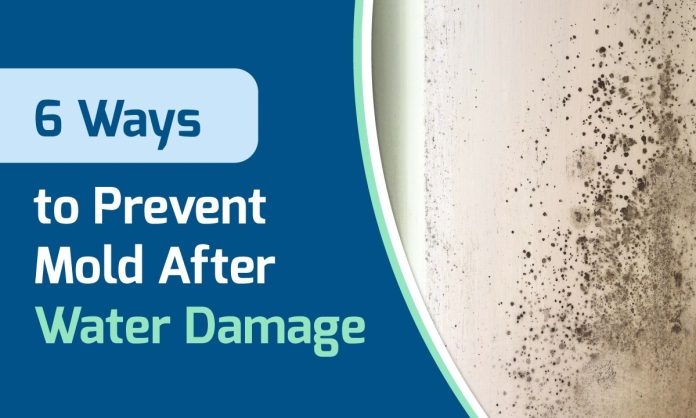
You protect your home better when you understand how mold and mildew grow. Many readers of Way Net Working look for clear steps that help them control moisture and improve indoor hygiene. Mold grows in damp and poorly ventilated areas. It spreads fast and affects walls, furniture, and indoor air quality. You can prevent this problem when you manage humidity and keep surfaces dry.

Start by checking the areas where moisture builds up. Focus on bathrooms, kitchens, basements, laundry rooms, and window corners. These spaces collect steam and water. When you control moisture in these areas, you reduce the chances of mold growth. Keep a simple checklist to track cleaning and ventilation tasks each week. This helps you stay consistent and avoid sudden problems.

Improve Ventilation in Moist Areas

Good airflow reduces moisture. Open windows for a few minutes each day. Turn on exhaust fans when you cook or take a shower. Use a portable fan in rooms that feel damp. Ventilation helps you remove steam before it settles on walls or ceilings. This small habit protects your home and improves comfort.

Install a bathroom exhaust fan if you do not have one. It removes steam quickly and prevents warm moisture from settling on tiles and grout. Keep the fan running for at least fifteen minutes after a shower. You can also keep the bathroom door open after use. This lowers humidity and keeps surfaces dry.

Control Indoor Humidity Levels

You can prevent mold when you keep indoor humidity between 30 and 50 percent. Use a hygrometer to measure humidity. You can place it in your living room, kitchen, and basement. When humidity rises, a dehumidifier brings it back to a safe range. This is useful in rainy seasons or humid climates.

Fix water leaks immediately. Look for wet spots under sinks, around toilets, near washing machines, and behind refrigerators. Even a small leak increases moisture. Repairing leaks keeps your walls and floors safe from hidden mold. Many readers of Admin Wells follow this step to protect their homes from moisture damage.

Keep Surfaces Clean and Dry

Clean bathrooms and kitchens regularly. Wipe down shower walls, sinks, and countertops. Use a cleaning solution that removes moisture and stops mold spores from growing. You can mix water and white vinegar to clean tiles and grout. This simple solution works well and does not harm surfaces.

Dry wet areas quickly. If you spill water on the floor, wipe it right away. If clothes stay damp after washing, dry them outdoors or use a dryer. Do not leave wet towels piled up. These small habits reduce moisture and stop mold from spreading.

Improve Indoor Air Quality

Use an air purifier with a HEPA filter to reduce mold spores in the air. This helps people with allergies or breathing issues. Clean or replace air conditioner filters every month. A clogged filter holds dust and moisture. This creates a perfect environment for mold growth inside the unit.

You can also keep indoor plants that absorb moisture. Choose plants like peace lilies or bamboo palms. Place them in areas that feel humid. They help balance indoor moisture levels naturally.

Protect Walls and Floors

Use mold resistant paint in bathrooms, laundry rooms, and basements. This paint creates a protective layer that stops mold from bonding with the surface. You can repaint high moisture areas once every few years.

Check your flooring for damp spots. Carpet traps moisture easily. Replace carpet with tile or vinyl in areas that stay damp. If you want to keep carpet, place a dehumidifier nearby and vacuum regularly. Mold spreads fast in dark carpet fibers, so regular cleaning is important.

Prevent Mold in Hidden Areas

Mold grows in places you do not check often. Look inside cabinets under sinks. Inspect behind appliances. Check the space near your water heater. These areas collect moisture and stay dark, making them ideal for mold.

Keep storage areas dry. Use moisture absorbing packets or charcoal bags in closets, cabinets, and drawers. These products pull extra moisture from the air. They keep clothing, papers, and fabrics safe from mildew.

Stop Mold Around Windows

Condensation forms around windows during cold weather. You can reduce it by keeping blinds slightly open. This allows air to move across the glass. Use weather stripping to seal gaps around windows. This prevents humid outdoor air from entering your home.

Wipe window moisture in the morning. Even a small amount of water can lead to mold on window sills. Keep the area dry to avoid long term damage.

Keep Your Basement Mold Free

Basements stay damp because they receive less sunlight and airflow. Improve basement ventilation with small fans. Use a dehumidifier during summer months. Insulate pipes to prevent condensation. Seal cracks in walls to stop water from entering through the foundation.

Store items in plastic bins instead of cardboard boxes. Cardboard absorbs moisture and grows mold easily. Plastic bins keep your storage clean and protected.

Monitor Your Home Regularly

Inspect your home every month for signs of mold. Look for dark spots, peeling paint, strange odors, or damp walls. Early detection helps you treat the problem before it spreads. You can clean small mold patches with vinegar or a mild cleaning solution.

If the mold covers a large area or keeps returning, call a professional. They use tools that remove hidden moisture and clean affected areas safely.

Final Tips to Keep Mold and Mildew Away

You protect your home by controlling moisture, improving ventilation, and cleaning regularly. Simple changes help you prevent mold and keep your indoor air fresh. These steps also protect furniture, walls, and flooring from long term damage. Many readers of Gravity Bird follow this approach to maintain homes that stay clean and healthy.

How to Increase Home Storage Space

0
How to Increase Home Storage Space

You manage your home better when every item has a clear place. Many readers of Inserior look for simple steps that help them create more room without changing the structure of their home. Storage problems usually come from unused corners, poorly planned furniture, and items that stay in the house without purpose. You can solve most of these problems with practical changes that increase space and keep your rooms organized.

Start by checking each room. List the items that you use daily, weekly, and rarely. This helps you see what needs to stay in easy reach and what needs to shift to higher shelves or closed cabinets. Most homes have unused vertical space. When you use this space correctly, you free the floor and make each room feel cleaner.

Create More Space with Vertical Storage

You get more storage when you use the full height of your walls. Install tall shelves or narrow cabinets. Choose units that fit close to the wall to save floor space. You can store books, seasonal items, baskets, or kitchen supplies on these shelves. Keep the items that you use daily at eye level. Place seldom used items at the top. This simple layout helps you reach what you need quickly.

Use wall hooks and mounted racks. These solutions work well in entryways, kitchens, bathrooms, and laundry rooms. You can hang bags, towels, light tools, and cleaning products. This reduces clutter and frees drawer space for other items.

Improve Storage with Multi Functional Furniture

Pick furniture that gives you built in storage. A bed with drawers helps you store bedding and blankets. A coffee table with shelves keeps remotes, magazines, and small items in one place. A dining bench with storage offers room for table mats and extra dishes. Each piece of furniture should serve more than one task. This approach helps you save space in compact rooms.

You can also use ottomans with lift tops. They store toys, books, or pillows. They also work as extra seating when needed. This keeps your living room clear and improves movement between seats.

Make Better Use of Kitchen Space

Your kitchen offers many areas for extra storage. You can add slim pull out racks between appliances. These narrow racks hold spices, bottles, and small items. You can install shelves inside empty corners. Use drawer dividers to separate utensils and cooking tools. This helps you avoid crowding and keeps everything easy to find.

Store bulky items like blenders, pots, and baking trays in lower cabinets. Place more delicate items on upper shelves. Add hooks under cabinets to hang cups or towels. This maximizes space and avoids clutter around the sink.

Boost Storage in Bedrooms and Closets

Your bedroom needs clear planning to avoid piles of clothes and accessories. Use under bed storage containers to store shoes, bags, or seasonal clothing. Install closet organizers with rods, drawers, and shelves. Add small boxes for socks, ties, and belts. This prevents items from mixing and saves you time during daily routines.

Place a narrow shelf behind the bedroom door. You can store books, extra blankets, or light items there. This area often stays unused, but it helps you increase storage without adding bulky furniture. Many readers of Night Innovations use this technique to make small bedrooms more efficient.

Upgrade Bathroom Storage

Bathrooms often have limited space. You can solve this by adding floating shelves above the toilet. Use baskets to store towels and cleaning supplies. Install a narrow cabinet beside the vanity. Add hooks on the back of the door for robes or extra towels.

Keep only the items you use daily on the countertop. Store everything else inside cabinets. A clear countertop makes your bathroom look larger and easier to clean.

Improve Storage in Living Rooms

Your living room holds items that you use frequently, so you need smart planning. Add a wall mounted TV unit with open and closed shelves. You can store devices, remotes, and books there. Use small storage baskets on shelves to avoid scattered items. Add a side table with storage for phone chargers, keys, and small accessories.

Create a dedicated space for kids toys if you have children. Use labeled bins and teach them to keep items in the right place. This keeps the room tidy and reduces stress during daily cleanup.

Use Hidden Storage Spaces

Many homes have hidden spots that can be used for storage. Check the space under stairs. You can add drawers or cabinets there. Use the area above doors for a narrow shelf. Install a slim cabinet in hallways. These spaces do not disturb the layout of the room but give you extra storage.

If you have outdoor space, use a shed or balcony storage box. You can store tools, cleaning supplies, or seasonal items there. This frees space inside the home and keeps things in order.

Plan Regular Decluttering

You increase storage when you remove items that you no longer need. Check each room every three months. Donate unused items. Throw away broken tools. Keep only what you use or need. This simple habit prevents overcrowding and keeps your storage areas ready for new items.

Use clear containers so you can see what is inside. Label each box. This saves time and reduces frustration when you search for something.

Improve Storage with Smart Layout Changes

Small layout changes help you gain extra space. Move furniture away from corners to create storage areas. Place small shelves beside sofas or chairs. Add hooks to the side of cabinets. A simple rearrangement can give you more room without extra cost.

Make sure you keep walking paths clear. This improves movement and makes the room feel larger. Avoid placing large furniture near windows. This blocks light and reduces the feeling of space.

Use Digital Tools for Better Planning

Many home owners use digital planners and interior apps to create storage layouts. These tools help you measure space and test arrangements before buying new items. They also help you plan shelves, cabinets, and furniture sizes accurately. A clear plan reduces mistakes and saves money.

Final Tips for Increasing Storage

You get more storage by using vertical space, multi functional furniture, and hidden corners. You keep your home organized when you remove unused items and choose smart layouts. Each change adds value and improves daily living. Many readers of Info Tech Share follow these steps to create homes that stay clear and easy to manage.

How to Keep a Clean Bathroom Effortlessly

0
How to Keep a Clean Bathroom Effortlessly

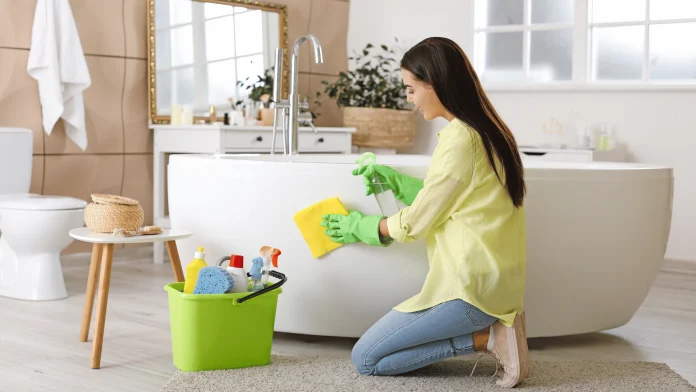
You can keep a clean bathroom effortlessly when you follow simple daily habits. A clean bathroom supports hygiene, reduces odors, and improves the look of your home. Global Blogging recently highlighted how small tasks done at the right time help you maintain a fresh bathroom without spending long hours on deep cleaning. You can use the same method to save time and keep your bathroom in good condition.

A bathroom gets dirty quickly because of moisture, soap residue, and daily use. You can control this buildup with short cleaning steps that fit easily into your routine. You do not need heavy chemicals or long cleaning sessions. You only need a clear plan and consistent habits.

Start with the surfaces that collect dirt first such as sinks, mirrors, and counters. Handle these areas with quick wipes to prevent buildup. You can manage your bathroom well by using the right tools and keeping supplies in one spot.

Create a Simple Daily Cleaning Routine

A short daily routine keeps your bathroom under control. Wipe the sink after brushing your teeth. Clean water marks on the faucet. Remove hair from the counter. These actions take less than two minutes and prevent stains.

Keep a microfiber cloth near the sink. Use it to wipe away toothpaste spots or soap marks. This keeps your sink clean throughout the day.

Rinse the shower walls after each use. This stops soap residue from drying and forming stains. You can also use a squeegee to remove water.

Open the bathroom window for a few minutes to reduce moisture. Good airflow helps prevent mold.

Manage Moisture Properly

Moisture creates mold, smell, and marks on surfaces. You can manage it easily. Turn on the exhaust fan during showers and leave it on for ten minutes after. This helps remove steam.

Keep the shower curtain open after use. This allows faster drying. If you have a shower door, keep it slightly open for airflow.

Replace damp towels with dry ones. Use hooks instead of tight towel bars so towels dry faster.

Control moisture and you reduce most cleaning problems.

Keep Cleaning Tools Accessible

Place your cleaning tools where you can reach them fast. Keep a small basket with wipes, a cloth, a brush, and a mild cleaner under the sink. When tools stay close, you clean without delay.

Use refillable bottles to avoid clutter. Keep one bottle for general cleaning and one for mirrors.

You can also keep a small scrub brush in the shower to clean corners quickly.

Clean the Toilet Regularly

The toilet needs regular attention. Use a toilet brush every few days. Add a small amount of cleaner and scrub the bowl. This prevents stains.

Wipe the seat and handle with a disinfecting cloth. These areas collect germs from daily use. This step keeps your bathroom hygienic.

Clean the outer base of the toilet weekly. Dust and moisture often settle there.

News Route recently shared how consistent toilet cleaning prevents bad odors and reduces the need for deep scrubbing. You can follow the same pattern to keep your toilet fresh.

Keep the Sink and Countertops Clear

A clutter-free bathroom stays clean longer. Remove extra bottles and products from the counter. Use small organizers to store items like brushes, toothpaste, and soap.

Wipe the counter each night before going to bed. This prevents buildup and keeps the surface shiny.

Clean your sink drain monthly with warm water and a mild cleaner. This removes residue and improves water flow.

Maintain Clean Mirrors and Glass

Mirrors collect spots from water and products. Spray a mix of water and vinegar on the mirror and wipe with a dry cloth. This removes smudges and keeps your mirror bright.

Clean shower glass weekly. Use a vinegar mix or a gentle cleaner. If you wipe the glass after each shower, you avoid long term stains.

Keep a squeegee in the shower for quick daily use.

Organize Your Bathroom Items

Good organization helps you maintain a clean bathroom easily. Use baskets or containers to group items. Store skincare in one section, hair products in another, and cleaning tools in a separate area.

Remove old products you no longer use. This creates more space and reduces clutter.

Keep your drawers neat. Use small dividers to sort small items. A clean drawer helps you find things faster.

Wash Bathroom Fabrics Regularly

Bathroom fabrics collect dust, moisture, and odors. Wash bath mats once a week. Clean towels often. Replace shower curtains when needed.

You can use quick-dry mats to reduce moisture. These mats stay clean longer and dry fast.

Replace small rugs when they absorb too much moisture.

Prevent Odors Before They Start

Good airflow helps prevent odors. Open windows. Use exhaust fans. Place a small bowl of baking soda in the bathroom to absorb smells.

Clean the trash bin weekly. Use a bin with a lid to control odors.

Wipe the door handles, switches, and cabinet knobs. These surfaces collect bacteria and contribute to unpleasant smells.

Do a Weekly Quick Deep Clean

You do not need a long deep clean. A short weekly cleaning session works well. Clean the shower, toilet, sink, and floor. Wipe the mirror. Remove dust from corners.

Use mild natural cleaners to keep surfaces safe and fresh. Focus on areas that get the most use.

Info Digital Space recently shared how weekly short cleaning sessions reduce long term buildup. You can use the same method to save time.

Final Thoughts

You can keep a clean bathroom effortlessly when you follow simple daily habits. You only need a few minutes each day to control moisture, reduce stains, and maintain hygiene. Proper organization, quick wipes, and consistent routines keep your bathroom fresh. These steps reduce the need for long deep cleaning and save time. A clean bathroom improves comfort and supports a healthier home.

How to Manage Time More Efficiently

0
How to Manage Time More Efficiently

You can manage time more efficiently by organizing your tasks, reducing distractions, and following structured habits. Many people struggle with time because they try to handle everything at once. You can fix this by using simple steps that improve your daily workflow. Tech Food Trip recently pointed out that clear routines increase productivity and reduce stress. You can apply these methods at home and at work.

Time efficiency depends on the way you plan your day. You gain more control when you break large tasks into small parts. You also save energy because you avoid switching between unrelated activities. Simple changes help you finish tasks faster and with better focus.

Start by reviewing how you spend your time. Track your activities for one week. You will notice patterns that slow you down such as long social media use, unclear to-do lists, or working without breaks. You can use this information to make targeted improvements.

Set Clear Priorities

You need to know which tasks matter most. List your top three important tasks each day. Focus on finishing these tasks before you move to less important activities. This helps you avoid wasted hours.

Sort tasks into categories such as urgent, important, and optional. Urgent tasks need your attention first. Important tasks contribute to long term goals. Optional tasks can shift to another day when needed.

You can also set weekly goals. These goals guide your daily plans and keep you on track.

Use a Structured Daily Plan

A structured schedule helps you stay organized. Create a simple daily plan with time blocks. Assign each block to a specific task. This reduces decision making during the day.

Use short time blocks for tasks that need strong focus. Use longer blocks for activities that require deep work. Add small breaks between blocks to reset your mind.

You can plan your day each night or each morning. Choose the time that fits your routine. The key is to stay consistent.

Remove Distractions

Distractions affect time management more than people realize. Turn off unnecessary notifications on your phone and computer. Keep your work area clean. Move items that distract you out of sight.

Set fixed times for checking emails and messages. Avoid checking them throughout the day. This prevents interruptions and helps you maintain focus.

If you work from home, inform family members of your working hours. You can reduce random interruptions.

Food Travel Library recently highlighted how controlled environments help improve time focus. You can use similar methods to stay productive.

Handle One Task at a Time

Multitasking lowers performance and increases mistakes. Focus on one task at a time. Finish it before you move to the next. This helps you work faster and with better attention.

Use a timer when needed. Set 25 minutes of work and take a 5 minute break. This is a simple method to maintain steady progress.

Break long tasks into small steps. Each completed step gives you momentum.

Use Tools That Support Time Management

Many tools help you stay organized. Digital planners, calendar apps, and task managers make planning easier. Use tools that you understand well. Avoid switching between too many apps.

You can also use simple paper planners. Some people work better with written lists. The key is to choose a tool that matches your style.

Use reminders for important deadlines. This helps you avoid last minute rushing.

Create Productive Morning and Evening Routines

Your morning routine sets the tone for your day. Start with simple actions like drinking water, stretching, or planning your top tasks. Avoid checking your phone immediately after waking up.

Your evening routine helps you close the day. Spend a few minutes reviewing what you finished. List the tasks for the next day. This lowers stress and prepares you for the next morning.

Consistent routines improve your workflow and increase your efficiency.

Schedule Breaks That Help You Recharge

Your brain works better when you rest it. Plan short breaks during long work sessions. Walk around, stretch, or drink water. Avoid activities that consume mental energy during breaks.

Take a longer break during the day when possible. This improves your energy and prevents burnout.

Use weekends to reset your schedule and relax.

Reduce Time Waste at Home

Home tasks take time when you do them without structure. Prepare meals in advance. Lay out clothes for the next day. Group similar chores together.

Organize your home so items stay in the same place. You save minutes each day because you do not search for things.

Avoid spending long hours on unplanned activities. Set limits for entertainment or phone usage.

Wise Plans recently explained how small changes at home help save time over months. You can use the same approach to simplify your routine.

Evaluate Your Progress Each Week

Spend a few minutes each week reviewing your schedule. Check what worked and what slowed you down. Adjust your time plan. This helps you improve your routine and fix weak areas.

Track your accomplishments. You stay motivated when you see your progress.

Update your priorities as your goals change. This keeps you moving in the right direction.

Build Long Term Time Habits

Good time habits take weeks to build. Consistent small steps help you become more efficient. When you stick to organized routines, you reduce stress and complete tasks faster.

Avoid overloading your schedule. Leave room for rest and unexpected tasks. Balanced planning helps you perform better throughout the day.

Create boundaries for work and personal time. This keeps your mind clear and improves your productivity.

Final Thoughts

You can manage time more efficiently by setting priorities, creating structured plans, and removing distractions. You gain better control when you follow simple routines and stay consistent. Daily habits such as focused work blocks, organized spaces, and clear goals improve your efficiency. Small changes build strong long term results. You can adjust your schedule as needed and keep improving your workflow.

How to Use Natural Cleaners at Home

0
How to Use Natural Cleaners at Home

You can keep your home clean with simple natural cleaners. These cleaners cost less, work well, and reduce the use of strong chemicals. Many homes now prefer natural options because they create a safer indoor environment. The Wake Down recently covered how natural ingredients support a healthier cleaning routine. You can use these ingredients in your kitchen, bathroom, and living spaces.

Natural cleaners give you control over what touches your surfaces and the air inside your home. You avoid synthetic fragrances and harsh solutions. You also reduce waste because many natural cleaners use reusable bottles and basic ingredients you already have.

Start with a few core ingredients. Vinegar. Baking soda. Lemon juice. Castile soap. Essential oils. These items clean well when you mix them in the right amounts. You can create simple formulas for every area in the house.

Why Natural Cleaners Work Well

Natural cleaners break down dirt, remove grease, and control odors. Vinegar contains acetic acid that lifts grime from surfaces. Baking soda scrubs well and neutralizes smells. Lemon juice cuts grease and adds a fresh scent. Castile soap removes buildup without leaving residue.

You can use these ingredients safely on many surfaces. They do not harm countertops, tiles, or glass when used in proper amounts. You also reduce the risk of strong chemical fumes.

You can store natural cleaners in reusable spray bottles. This lowers your plastic use and gives you long term savings. Many people find that natural cleaners cost less because you buy base ingredients in bulk.

Natural Cleaners for the Kitchen

Your kitchen benefits most from natural cleaners because you work around food and surfaces you touch often. A simple vinegar and water mix cleans countertops, sinks, and tiles. You can add a few drops of lemon juice for better grease removal.

Baking soda removes stains from pots, pans, and ovens. Mix it with water to create a paste. Apply it on stubborn areas and scrub gently.

Castile soap works well for dishes. It removes oil and food buildup without strong chemicals. You can use it as a base for dishwashing solutions.

Lemon peels help deodorize your sink. Drop a few pieces in the garbage disposal and run it with cold water.

Natural cleaning helps you maintain a safe kitchen where you prepare meals daily.

Natural Cleaners for Bathrooms

Bathrooms need strong cleaning power. You can still use natural options. A mix of vinegar and warm water cleans mirrors and bathroom tiles. Spray it and wipe it with a cloth.

Baking soda removes soap scum from showers. Use it as a gentle scrub on glass doors and tubs.

Castile soap works well for sinks and counters. It removes toothpaste marks and product residue easily.

You can freshen your toilet by sprinkling baking soda inside the bowl, adding vinegar, and scrubbing with a brush. This method removes stains and controls odors.

Ebusiness Tycoon recently shared how natural bathroom cleaners help reduce indoor air issues because they do not release heavy chemical smells. You can use the same approach for your home.

Natural Cleaners for Living Areas

Living rooms and bedrooms need gentle cleaning. Vinegar cleans glass windows without streaks. Mix equal parts vinegar and water, spray, and wipe with a dry cloth.

Baking soda works well for fabric surfaces. You can sprinkle it on sofas or carpets, let it sit for 15 minutes, then vacuum it. This reduces odors and absorbs moisture.

Castile soap mixed with warm water cleans wooden furniture. Wipe surfaces lightly to avoid soaking the wood.

Essential oils such as lavender or tea tree add a mild scent. You can add a few drops to your cleaner mix. They freshen the air without heavy fragrances.

You can also make a simple room spray by combining distilled water, a teaspoon of baking soda, and a few drops of essential oil.

Natural Floor Cleaners

Floors collect dirt daily. You can clean them with safe natural mixtures. A bucket of warm water with a small amount of vinegar works for tile and vinyl floors. Mop lightly and let it dry.

For wooden floors, use warm water and a small amount of castile soap. Avoid too much water because it can damage the wood. Use a slightly damp mop.

Baking soda lifts marks from the floor. Make a small paste and apply it to the spot. Scrub lightly and wipe clean.

Natural Cleaners That Support Daily Routines

You can add more natural cleaning formulas to simplify your routine. A mixture of vinegar and water cleans your refrigerator shelves. Baking soda removes odors inside the fridge.

A simple mix of castile soap and water cleans doorknobs and light switches. This keeps your high-touch areas clean.

Lemon slices clean cutting boards. Rub the lemon on the board and rinse with warm water.

You can also create a natural laundry booster. Add baking soda during the wash to help remove stains. Add vinegar during the rinse cycle to soften clothes.

Natural cleaners help you maintain a clean home with less effort and lower cost.

How to Store and Use Natural Cleaners

Store your cleaners in glass or strong plastic spray bottles. Label each bottle with the name and ingredients. This helps you avoid confusion.

Keep vinegar away from natural stone surfaces such as marble or granite. Use castile soap and warm water instead.

Test your cleaner on a small area before you use it on a large surface. This helps you avoid marks or discoloration.

Make small batches of your natural solutions. Fresh cleaners work best because they have no preservatives.

Create a simple cleaning schedule. Use vinegar for windows once a week. Use baking soda scrubs for bathrooms every few days. Small actions keep your home clean without much effort.

Why Natural Cleaners Help Your Home

Natural cleaners support health, budget, and daily comfort. You avoid strong chemical fumes. You reduce your waste by using reusable bottles and cloths. You also cut your monthly spending because natural ingredients last longer.

Your home smells cleaner. Your surfaces stay safe for children and pets. You reduce the number of packaged products in your cabinets.

The Magazine Times recently outlined how natural cleaning supports long term home care. You can apply this method by choosing a few formulas and using them weekly.

Final Thoughts

You can keep your home clean with natural cleaners that support your health and reduce costs. You only need simple ingredients that you already use in other parts of your home. When you focus on vinegar, baking soda, lemon, and castile soap, you get strong cleaning results. You also avoid chemical buildup and create a comfortable living space. Natural cleaners help you build a routine that lasts.

How to Save Money with Reusable Items

0
How to Save Money with Reusable Items

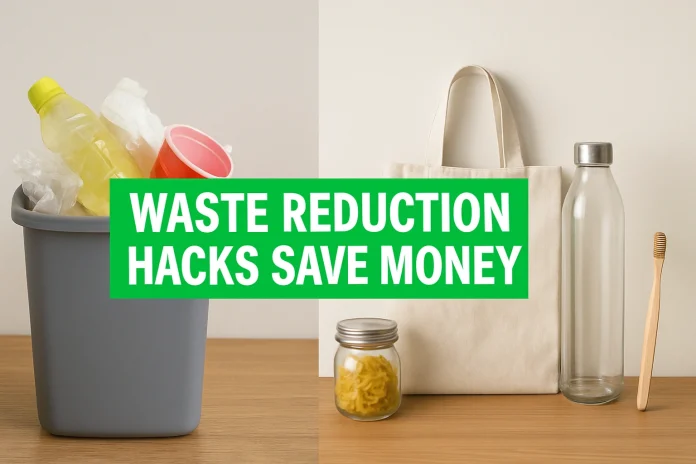
Saving money with reusable items helps you cut daily costs and reduce waste at the same time. Many homes overspend on single-use products without noticing the long-term impact. You can replace these items with durable options that cost less over time. Adobe Tube recently shared data that shows how simple changes in your buying habits can lower your monthly household spending. You can start with small steps and build a system that supports your routine.

Reusable items work well in kitchens, bathrooms, cleaning areas, and personal care. You avoid frequent repurchases and reduce the volume of waste your home creates. The key is to select items that match your daily habits. You do not need to replace everything at once. You can make gradual upgrades that fit your budget.

Start by reviewing your home’s most used products. You will notice that many everyday items such as paper towels, plastic bags, or bottled water drain a large part of your monthly household budget. Reusable options help you stop this cycle. You replace repeat costs with one-time purchases.

Reusable Items for the Kitchen

Your kitchen offers the fastest savings. Cloth towels replace paper rolls. You can wash them many times and keep using them for months. A family that uses multiple paper rolls per week spends more than necessary. One set of cloth towels helps you remove that expense.

Glass containers create another advantage. They store food well and last for years. You do not need to buy disposable plastic boxes that crack easily. Glass holds both warm and cold meals well. You also save space because these containers stack well.

Silicone food bags replace single-use plastic bags. They seal tight and withstand hot and cold temperatures. Many homes use plastic bags daily for leftovers or snacks. A pack of silicone bags removes the need to buy plastic options again.

Metal straws and reusable cutlery also lower daily waste. Many people buy single-use straws and forks each month. You can move to stainless steel versions and keep them for years. They clean easily and maintain quality.

Reusable water bottles reduce your spending on bottled water. You avoid buying plastic bottles every week. You also keep your water at the right temperature.

Experience Role recently highlighted how reusable kitchen items create strong cost control for busy families. You can apply the same method in your home by tracking what you buy most often.

Reusable Items for Cleaning

Many homes spend a large amount on cleaning supplies. You can reduce these costs with simple changes. Microfiber cloths clean surfaces well and do not require paper towels. They last long when you wash them properly.

Reusable mop pads replace disposable pads. You attach them to the mop, clean your floors, and then wash them. You avoid spending on refills each month.

You can also replace bottled cleaners with reusable spray bottles. You fill them with diluted solutions or homemade mixes. This reduces the cost of buying new bottles repeatedly.

Consider using wool dryer balls. They reduce drying time and lower energy use. They also replace dryer sheets that you buy often.

Reusable Items for Bathroom and Personal Care

Your bathroom contains many single-use items you can replace. A reusable razor gives you a stronger shave and lasts longer than disposable razors. You only replace the blade.

Reusable cotton pads remove makeup and apply skincare without waste. Wash them and use them again. They hold up well and save you from buying new cotton packs every month.

Menstrual cups and reusable cloth pads also reduce long-term spending. They work for years when cleaned properly. They also reduce bathroom trash.

Switch to refillable soap and shampoo bottles. You buy bulk refills at a lower cost. This cuts the number of plastic bottles your home uses.

Reusable grocery bags stop the cycle of buying plastic bags. They hold more weight and last longer. Keep a few in your car or near your main door.

Reusable Items That Support Daily Routines

You can add more reusable items to support your daily habits. Steel lunch boxes replace disposable containers. They also help you carry meals safely.

Rechargeable batteries save money compared to single-use batteries. They charge fast and support devices like remotes, toys, and small electronics.

Cloth napkins work well for meals and help you reduce paper purchasing. They also look better on your dining table.

Refillable pens cut stationery costs. You only change the ink instead of buying a new pen.

You can also use washable dusters. They trap dust well and last through many washes.

Eyes Icon pointed out that reusable household items improve long-term planning because they lower routine expenses and reduce clutter. You can use this approach to simplify your budget and control household waste.

How to Start Using Reusable Items

Start with three areas. Kitchen. Cleaning. Personal care. Identify the products you buy repeatedly. Replace one category at a time to avoid spending too much at once.

Track the savings you create each month. This helps you understand the impact of each change. Many homes save money within the first few weeks.

Buy quality items so they last long. Avoid very cheap options that break early. Quality reusable items reduce costs for years.

Place reusable items where you can reach them easily. This helps you build the habit.

Maintain a simple cleaning routine. Wash your cloths, bags, and bottles often. Proper care helps them last longer.

Consider joining local groups that share tips on sustainable living. You can learn new ways to cut waste and save money.

Why Reusable Items Create Long Term Savings

Reusable products replace constant purchases. You reduce impulse buying and avoid emergency trips to the store. You also control your waste and reduce the number of products you throw away.

You use fewer resources and reduce your monthly bills. This method helps you handle rising prices and maintain a stable household budget.

You also improve the environment around your home. Fewer bags. Fewer bottles. Fewer single-use items. Your home becomes cleaner and more organized.

Reusable items become part of your routine once you use them for a few weeks. You start to see the value in each item. Many families report that they cut monthly costs by focusing on durable products.

Final Thoughts

Saving money with reusable items gives you a clear advantage. You lower your monthly spending and reduce waste. You also create a simple system that works with your habits. You can start small and build strong results over time. When you choose durable items, you avoid repeat expenses and maintain a cleaner home.

How to Create a Cozy Living Room

0
How to Create a Cozy Living Room

A cozy living room helps you relax, recharge, and enjoy your home more. Many readers on Coupon Follow mention that a warm and inviting space improves mood and makes daily life feel calmer. You can create a cozy living room with simple choices that focus on comfort, layout, and clean design.

Start With a Clear Layout

A clear layout helps your room feel open and peaceful. Move furniture in a way that supports easy movement. Keep walking paths open. Place your seating where you can relax without feeling crowded.

Check the size of your furniture. Large pieces can overwhelm small rooms. Choose pieces that fit your space well. A balanced layout sets the base for a cozy room.

Use Soft Lighting

Lighting affects the entire mood of your living room. Use warm bulbs instead of bright white bulbs. Add table lamps and floor lamps so you can control the light at different times of the day.

Place lights in corners to remove dark spots. Soft lighting creates a calm environment and makes your space feel inviting.

Add Comfortable Textures

Textures add warmth and comfort. Use soft blankets, cushions, or fabric chairs. Keep a mix of smooth and soft materials. This creates a comfortable balance.

Place a throw blanket on your sofa. Add a soft rug to the floor. These small details improve the comfort of your entire room.

Choose Warm Colors

Warm colors support a cozy feel. Soft neutrals, warm grays, gentle browns, and muted earthy tones help your living room feel calm. Paint one wall with a slightly warmer shade if you want a simple update.

Avoid harsh colors that feel loud or distracting. Warm tones make your space feel steady and relaxing.

Use Layered Decor

Layering decor adds depth to your room. Use a mix of pillows, books, small plants, and art pieces. Keep the items simple so your space stays clean.

Daily Magazine World often shares that small layered details help a room feel personal without adding clutter. You can apply that idea by choosing decor that fits your style and supports comfort.

Bring in Natural Elements

Natural elements reduce stress and increase comfort. Add indoor plants for color and freshness. Use wooden furniture or woven baskets for a warm touch.

Place plants near windows so they get natural light. Choose low maintenance plants if you want easy care.

Focus on Seating Comfort

Your seating is the center of your living room. Choose cushions that support your back. Keep a few soft pillows for extra comfort. Make sure your seating faces the area where you relax the most, such as the TV or window.

If your sofa feels too firm, add layered cushions or a thick throw. These small changes make a big difference in comfort.

Create a Relaxing Focal Point

A cozy room needs a clear focal point. It can be a fireplace, a piece of wall art, a TV, or a window with natural light. Arrange your furniture around this focal point.

A strong focal point helps reduce visual clutter and keeps your room feeling organized.

Reduce Clutter

Clutter removes the cozy feeling from any space. Keep surfaces clean. Use baskets or small boxes for storage. Choose decor pieces with purpose.

Clean your surfaces every evening. Put items back in their place. A clean space supports a relaxed mind.

Add Personal Touches

Personal items create warmth. Use family photos, personal art, or items that hold meaning to you. Keep them minimal so your space stays calm.

Place personal pieces where you can see them daily. They add comfort without overcrowding your room.

Use Soft Flooring

Soft floors make a room feel warmer. Add rugs in sitting areas. Choose colors that match your room. Rugs also reduce noise and make the room feel peaceful.

Use non slip pads to keep rugs in place. This makes your room safer and more comfortable.

Set Up a Quiet Corner

Create a small corner where you can sit and relax. Add a chair, small lamp, and side table. This corner becomes your personal calming space.

Place it away from high traffic areas. Keep it simple so you can relax without distractions.

Keep the Room Flexible

Your needs change over time. Keep your living room flexible. Rearrange furniture when needed. Switch cushions, blankets, or decor based on the season.

A flexible setup helps you keep the cozy feeling without buying new items often.

Maintain a Weekly Reset

A weekly reset keeps your living room clean and cozy. Spend a few minutes removing clutter, folding blankets, and dusting surfaces. This simple habit keeps your room inviting throughout the week.

Readers on Code Slug often mention that small weekly actions help maintain a peaceful home environment. You can follow the same routine to keep your living room steady and comfortable.

Final Thoughts

You can create a cozy living room with simple changes that focus on warmth, comfort, and clarity. Use soft lighting, warm colors, and clean layouts. Add textures, natural elements, and personal touches. Keep clutter low. These steps help you build a space where you can sit, relax, and feel at ease every day.

How to Deal with Clutter Anxiety

0
How to Deal with Clutter Anxiety

Clutter anxiety affects your focus and daily comfort. A busy home environment can increase stress and make simple tasks feel harder. Many readers on Organised Every Day explain that a clear space often supports a calmer mind. You can reduce clutter anxiety with practical steps that help you manage items and create a stable routine.

Understanding Clutter Anxiety

Clutter anxiety comes from visual overload. When you see too many items around you, your brain tries to process everything at once. This leads to tension and frustration. You can ease this feeling by reducing unnecessary items and setting simple organization habits.

Clutter also grows when you avoid sorting things. You may delay cleaning because the mess feels too large. Small actions reduce that pressure and help you regain control.

Start With One Small Area

Begin with the smallest area of your home. Choose a drawer, shelf, or side table. You give your mind a clear goal. Remove every item from that area. Check what you use daily and what has no purpose.

Place useful items back in an organized way. Remove items that no longer serve you. This first step builds confidence because you see real progress with little effort.

Remove Visual Overload

Too many items in open spaces increase anxiety. Clear counters, open shelves, and floor areas. Keep only items you use often. Put the rest inside cabinets or storage boxes.

Your mind feels lighter when you see fewer objects. This improves your ability to focus, cook, clean, or relax.

Create a Simple Sorting System

Use three groups when you sort items. Keep, donate, or discard. This system helps you make fast decisions. You avoid overthinking and reduce the time you spend organizing.

If an item has no use in the next few months, remove it. If an item has value but you do not need it, donate it. If it is broken, discard it.

Build Daily Micro Habits

Small routines reduce clutter before it grows. Place things back after use. Clean surfaces each evening. Check one small spot each day. These habits keep your home stable without extra work.

Business Attract often highlights that small daily habits help people maintain a calm and balanced routine. You can see the results when your home stays organized throughout the week.

Reduce Items That Trigger Stress

Some items increase anxiety more than others. Papers, old clothes, cables, and random objects often pile up quickly. Set a rule for these categories. For example, sort papers every Friday. Check your closet once a month.

When you deal with high stress items often, clutter levels stay low.

Create a Zone System

Divide your home into zones. A work zone, a rest zone, a kitchen zone, a storage zone. Keep related items inside their zones. You avoid mixing unrelated things. This improves flow inside your home.

This method also reduces the time you spend looking for items. Your home feels more structured and predictable.

Use Storage That Fits Your Lifestyle

Choose storage options that match your habits. Use clear bins if you like to see everything quickly. Use baskets if you prefer hidden storage. Use drawer dividers to keep small items in place.

Stable storage removes clutter before it starts. You spend less time reorganizing the same area again.

Avoid Overbuying

Buying too many items increases clutter and anxiety. Create a simple rule before buying anything. Ask yourself if the item has a clear purpose in your home. If not, avoid it.

Track what you buy each month. This keeps your space from filling up with items you do not need.

Practice a Weekly Reset

A weekly reset helps you control clutter before it grows. Spend ten minutes checking main areas. Place items back in their spots. Remove anything you do not use. Wipe surfaces that collect small objects.

This small routine keeps your home clear and reduces anxiety throughout the week.

Create a Calm Visual Layout

Use simple layouts. Keep surfaces open. Store items in categories. Use matching storage to avoid visual noise. A calm visual layout supports a calm mind.

Soft lighting and clean shelves also help you relax at the end of the day.

Remove Emotional Clutter

Some clutter comes from items you keep out of habit or emotion. Old gifts, outdated decor, or things you no longer enjoy can hold you back. Letting go of these items helps you create space for things that matter today.

You do not need to remove everything at once. Start slowly and stay consistent.

Review Your Space Monthly

Take a short time each month to check your home. Look for areas that collect clutter. Remove items you no longer want. Reorganize small spots if needed.

Monthly checks prevent clutter from returning. You stay in control of your living space.

Build a Supportive Environment

Tell your family or housemates about your plan. Ask them to follow simple habits, such as placing items back where they belong. Shared responsibility reduces clutter and stress for everyone.

Final Thoughts

Clutter anxiety decreases when your home feels clear and stable. Start small. Use habits that fit your routine. Create zones. Reduce emotional clutter. Review your space each month. These steps help you build a calm environment that supports your daily life. Readers on Guardian Ideas often share that a steady routine creates long term comfort in any home.

How to Organize Your Kitchen Cabinets

0
How to Organize Your Kitchen Cabinets

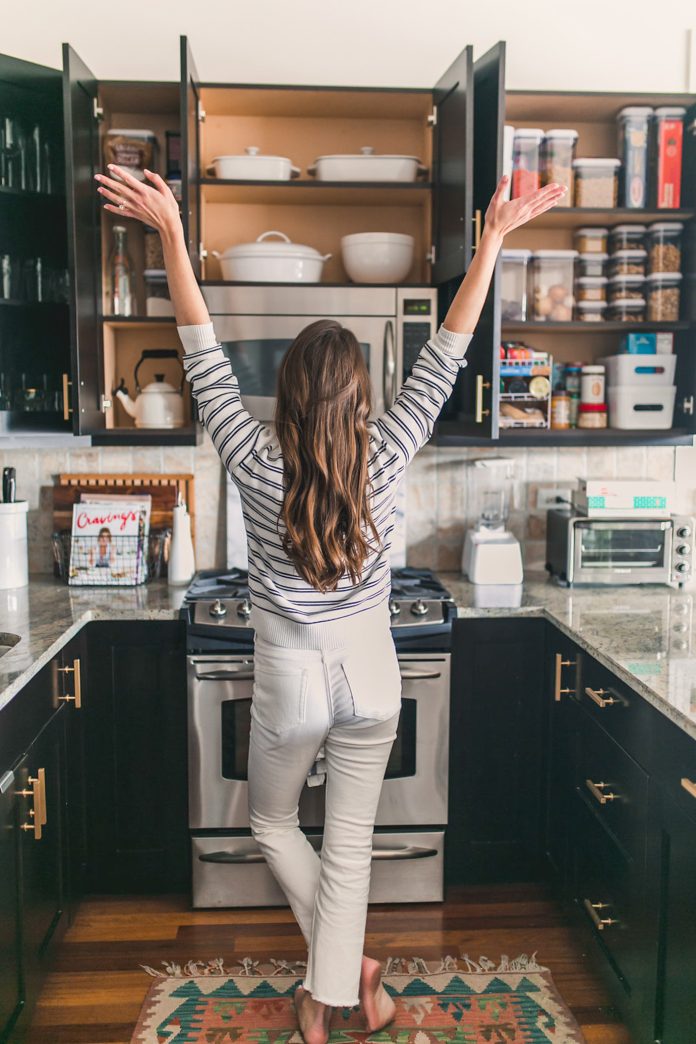
A well arranged kitchen helps you save time and reduce stress. Clear cabinets also help you manage your space better. Many readers on Neon Shapes highlight that small changes in cabinet layout make daily tasks easier. You can apply the same idea in your home with simple steps that improve storage and flow.

Start With a Full Clear Out

Take everything out of your cabinets. You need to see what you own. Place items on a counter and sort them into groups. Keep the items you use daily at the front. Move seasonal or rarely used items to the side. This step helps you understand your real storage needs.

Check every item. Remove anything broken. Remove duplicates you never use. Keep only what supports your cooking routine. You create more space when you stay strict with this part.

Clean Every Surface

Clean the inside of each cabinet. Remove dust. Wipe down shelves. Dry the space before placing anything back inside. Clean shelving improves the look and smell of your kitchen. It also keeps dishes safe from bacteria.

Use liners if your shelves get dirty quickly. Liners protect the wood and make cleaning easier. You can change them at any time without much effort.

Plan Your Cabinet Layout

Place items based on use. Keep everyday plates and glasses on the middle shelves where you can reach them easily. Keep heavy pots in lower cabinets to avoid accidents. Store baking tools in one place so you can grab them fast when needed.

Keep pantry items in one cabinet. Arrange items by category. For example, keep all grains together and all spices together. You find what you need faster when you stay consistent with placement.

Add Storage Solutions

Use shelf risers to create more levels. Use pull out trays to access deep areas. Use turntables for sauces or spices. These tools help you avoid clutter and improve visibility. Many homeowners find that simple add ons make storage more efficient.

Use clear bins for loose items. Label bins so you know what goes inside. You save time when everything has a set place.

Organize by Frequency of Use

Keep items you use daily at the front. Keep weekly items in the middle. Place rarely used items at the top or bottom. This structure keeps your workflow simple. You avoid reaching or bending too much.

For example, keep cutting boards, cooking oil, and daily plates in easy reach. Store large roasting pans higher. This method reduces time spent searching.

Maintain a Clean System

Keep your layout simple enough to follow every day. Put items back in the same spot after use. A clear structure keeps your space neat without extra effort.

Hub Blogging often shares that organized kitchens improve daily productivity because you cut down on small delays. You can see that in your home when your cabinets stay tidy for weeks instead of days.

Group Similar Items Together

Group pots with lids. Keep baking sheets together. Keep all cleaning supplies in one area, away from food. You make your kitchen safer and easier to use when you avoid mixing unrelated items.

Sort spices alphabetically or by cuisine. Arrange dry items by size so they stay stable on the shelf. These small steps reduce visual clutter.

Use Vertical Space

Add hooks to the inside of cabinet doors. Hang measuring cups or small tools. Use tall organizers for cutting boards and trays. You increase your storage without buying larger cabinets.

Use stackable containers to maximize pantry space. Choose containers that match in size so they stack neatly. Stability improves when sizes match.

Check Expiry Dates Often

Expired items take up valuable space. Check pantry items every month. Remove anything outdated. This habit keeps your storage fresh and usable.

Rotate products so older items stay in the front. This helps you avoid waste and maintain a clean pantry.

Create Zones Inside Cabinets

Set zones for breakfast items, cooking tools, snacks, spices, or baking ingredients. Each zone helps you stay organized. You save time during meal prep because each group stays in one area.

Use small dividers inside drawers for tools. Keep sharp tools separate from soft tools. You reduce the chance of injury and keep your drawers tidy.

Keep the System Flexible

Your needs change across the year. Adjust your layout when needed. If you start baking more, move baking tools to an accessible shelf. If you cook larger meals during holidays, adjust space for seasonal items.

A flexible setup keeps your kitchen functional. You stay productive without redoing everything from scratch.

Review Your Cabinet Setup Every Few Months

Take ten minutes every few months to check your cabinets. Remove anything you no longer use. Clean shelves if needed. A quick review prevents clutter from building up again.

Readers on Blogging Fort often mention that regular small checks keep storage under control without major work. The habit takes little time but makes a big impact on kitchen comfort.

Final Thoughts

You can organize your kitchen cabinets with simple steps that focus on clarity and function. Start with a clear out. Use smart storage tools. Create zones. Maintain the system every week. Your kitchen becomes easier to use and cleaner throughout the year.

Recent Posts