
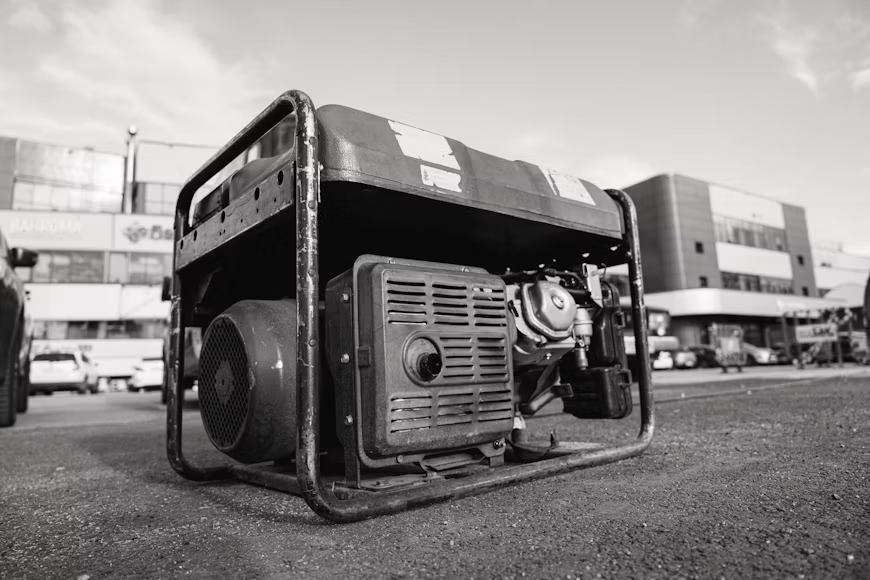
Power outages can disrupt heating, cooling, lighting, appliances, security systems, and other essential household functions. A residential backup generator can provide an additional source of electricity when the main utility supply is interrupted. However, choosing and installing a generator requires careful planning. Proper generator installation can help ensure the equipment operates safely, efficiently, and according to the home’s electrical requirements.
1. Determine Your Home’s Power Needs
Before purchasing a generator, homeowners should identify which appliances and systems need backup power. Essential equipment may include refrigerators, heating or cooling systems, medical equipment, lights, internet devices, and sump pumps.
Generator installation planning should begin with an assessment of the home’s electrical load. A qualified professional can help determine the appropriate generator capacity based on the appliances that need to operate during an outage.
2. Select an Appropriate Location
Generator placement is an important part of a safe residential setup. Generators should generally be installed outdoors in an area with adequate ventilation and sufficient clearance from doors, windows, vents, and other openings.
The location should also provide a stable, level surface and reasonable protection from environmental conditions while maintaining the manufacturer’s required clearances.
3. Plan the Electrical Connection
A residential generator needs to be connected correctly to the home’s electrical system. A transfer switch can help safely manage the transition between utility power and generator power.
Generator installation involving a home’s electrical panel should be handled by a qualified electrician or appropriately trained professional. Incorrect connections can create electrical hazards, damage appliances, or cause dangerous backfeeding into utility lines.
4. Consider Fuel Requirements
Home generators can operate using different fuel sources depending on the model. Common options may include natural gas, propane, or diesel for certain generator systems.
Homeowners should understand the generator’s fuel requirements before installation. Fuel availability, storage needs, local regulations, and expected operating duration can all affect the most suitable choice. Professional guidance can help ensure fuel connections are completed according to applicable safety requirements.
5. Follow Safety and Maintenance Requirements
After generator installation, homeowners should understand how to operate and maintain the equipment. Regular inspections can help identify problems with fuel lines, electrical connections, batteries, oil levels, or other components.
Generators should never be operated in garages, basements, or enclosed areas because of carbon monoxide risks. Homeowners should also follow the manufacturer’s maintenance schedule and arrange professional servicing when required.
6. Test the System Regularly
A generator should be tested periodically to ensure it is ready when an outage occurs. Testing can help identify starting problems, battery issues, unusual noises, or other concerns before the equipment is needed.
A professional can also inspect the overall system and confirm that important components are functioning properly. Keeping maintenance and service records can make it easier to track the generator’s condition over time.
Final Thoughts
A residential generator can provide valuable backup power during unexpected outages, but its effectiveness depends on proper planning and installation. From choosing the right capacity and location to arranging safe electrical connections and regular maintenance, every step matters. Working with qualified professionals for generator installation can help homeowners establish a reliable backup power system while reducing unnecessary safety risks.