
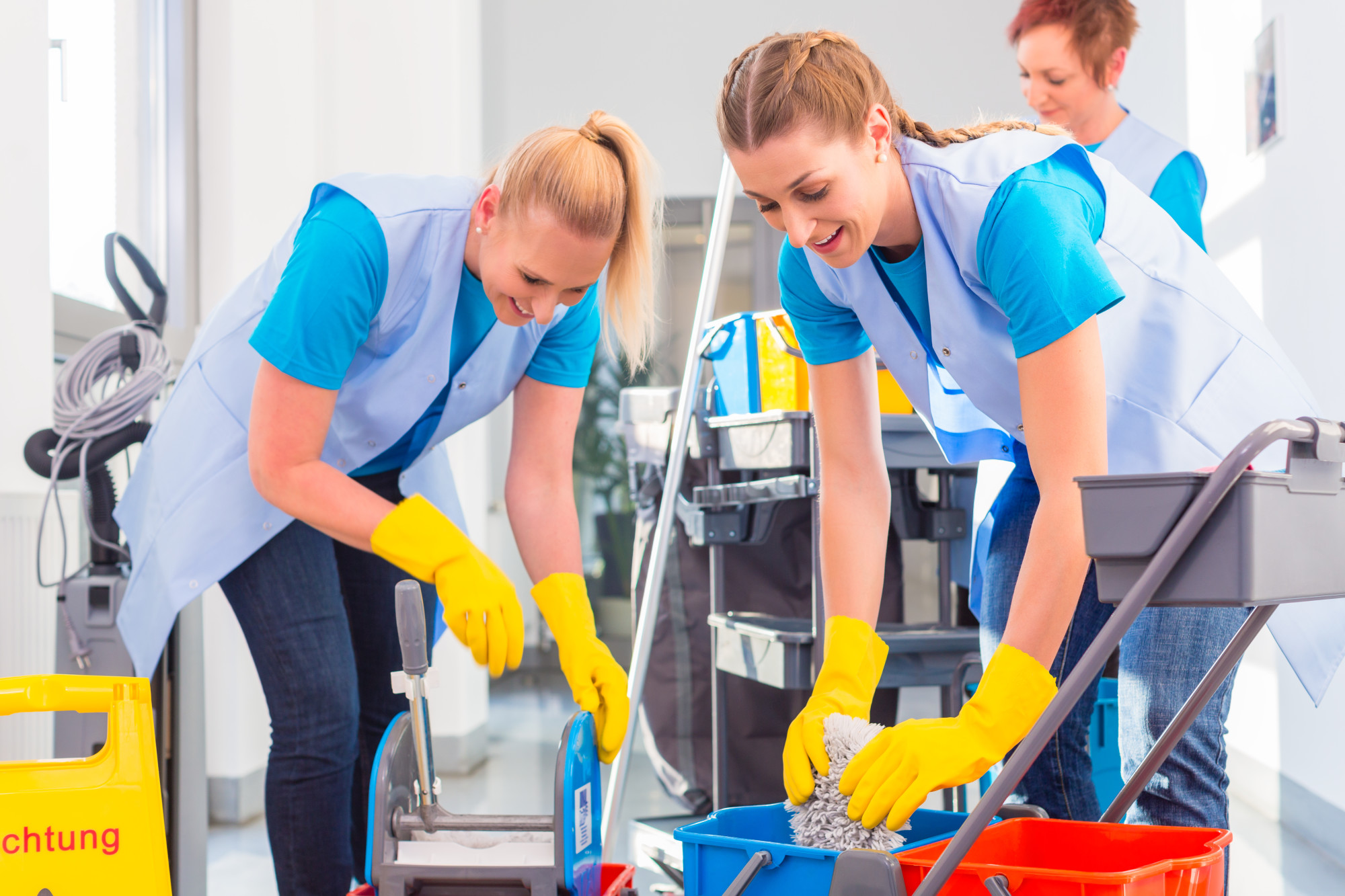
A clean workplace is one of the most important factors in creating a productive and professional business environment. Companies that invest in office cleaning services often experience benefits that extend beyond appearance. From supporting employee wellbeing to improving client perceptions, maintaining a hygienic office plays a vital role in everyday operations. As businesses continue to focus on efficiency and workplace satisfaction, cleanliness remains a key component of long-term success.
Workplaces are busy environments where employees, visitors, and clients interact throughout the day. Shared spaces, workstations, meeting rooms, and communal facilities can quickly accumulate dust, dirt, and germs without regular maintenance. Consistent cleaning helps ensure that offices remain comfortable, organised, and suitable for productive work while supporting a healthier atmosphere for everyone.
Creating A Positive Work Environment
The condition of a workplace can significantly influence how employees feel about their jobs. Clean and organised surroundings help create a more pleasant atmosphere where staff can focus on their responsibilities without unnecessary distractions. Employees often feel more comfortable and motivated when working in environments that are maintained to a high standard.
A tidy office also contributes to workplace pride. When businesses demonstrate a commitment to maintaining clean facilities, employees are more likely to value their work environment and take greater care of shared spaces. This positive mindset can improve collaboration and strengthen workplace culture over time.
Supporting Employee Productivity
Productivity is influenced by many factors, including the physical environment in which employees work. Cluttered desks, dusty surfaces, and unclean communal areas can create distractions that affect concentration and efficiency. Maintaining a clean office helps reduce these distractions and supports better workflow throughout the organisation.
Employees working in well-maintained environments can focus more effectively on their tasks. Clean surroundings promote a sense of order that often contributes to improved time management and workplace performance. Businesses that prioritise cleanliness frequently notice positive effects on overall operational efficiency.
Reducing The Spread Of Illness
Modern offices contain many high-touch surfaces, including keyboards, telephones, door handles, lift buttons, and shared equipment. These areas can become sources of contamination when not cleaned regularly. Effective cleaning routines help reduce the presence of bacteria and viruses, contributing to healthier workplace conditions.
Reducing the spread of illness benefits both employees and employers. Healthier workplaces often experience lower rates of absenteeism, allowing teams to maintain productivity and minimise disruptions. Regular sanitation of frequently used areas supports employee wellbeing and demonstrates a commitment to workplace health.
Making A Strong Impression On Visitors
Clients and business partners often form opinions about a company based on the appearance of its premises. Clean reception areas, meeting rooms, and office spaces communicate professionalism and attention to detail. These impressions can influence how visitors perceive the organisation and its standards.
A well-maintained office creates an atmosphere of confidence and reliability. Visitors are more likely to trust businesses that present themselves professionally and demonstrate care in maintaining their facilities. Clean surroundings contribute to stronger business relationships and support a positive corporate image.
Improving Indoor Air Quality
Dust, allergens, and airborne particles can accumulate within office environments over time. Without proper cleaning, these contaminants may affect indoor air quality and employee comfort. Regular cleaning helps remove particles that can contribute to discomfort or respiratory irritation.
Improved air quality supports a healthier workplace and can enhance overall employee satisfaction. Fresh and clean environments create a more enjoyable atmosphere that encourages productivity and wellbeing. Maintaining air quality is particularly important in offices where employees spend extended periods indoors.
Protecting Office Assets
Office furniture, flooring, carpets, and equipment require ongoing maintenance to remain in good condition. Dirt and debris can gradually damage surfaces if not addressed regularly. Routine cleaning helps preserve the appearance and lifespan of workplace assets, reducing the need for premature replacements.
Carpeted areas benefit from regular vacuuming and deep cleaning, while hard floors require appropriate maintenance to prevent wear. Protecting these investments through consistent cleaning helps businesses maintain attractive and functional workplaces while controlling long-term costs.
Supporting Workplace Safety
A clean office is often a safer office. Spills, clutter, and accumulated debris can create hazards that increase the risk of slips, trips, and falls. Routine cleaning helps identify and eliminate these risks before they result in accidents.
Maintaining clear walkways and organised workspaces supports workplace health and safety objectives. Businesses that prioritise cleanliness demonstrate their commitment to employee welfare and create environments where people can work with confidence and security.
Customised Cleaning For Different Business Needs
Every workplace has unique cleaning requirements. A small office may need a different level of maintenance compared to a large corporate facility with hundreds of employees. Factors such as operating hours, visitor traffic, and industry standards all influence cleaning needs.
Tailored cleaning schedules allow businesses to maintain cleanliness without disrupting daily activities. Flexible arrangements ensure that offices receive appropriate attention while accommodating operational requirements. Customised solutions help organisations achieve consistent results that align with their specific goals.
The Growing Importance Of Sustainable Cleaning
Many businesses are adopting environmentally responsible practices across their operations, including workplace maintenance. Sustainable cleaning approaches focus on reducing environmental impact while maintaining high hygiene standards. Eco-friendly products and responsible methods help create healthier indoor environments and support broader sustainability objectives.
Organisations that embrace environmentally conscious cleaning practices often strengthen their reputation among employees, clients, and stakeholders. Responsible cleaning contributes to both workplace wellbeing and environmental stewardship.
Conclusion
Clean workplaces provide benefits that extend well beyond appearance. They support employee productivity, improve workplace health, enhance safety, and create positive impressions on visitors. Regular cleaning also helps protect valuable office assets and contributes to a more comfortable working environment. As businesses continue to focus on employee wellbeing and operational efficiency, maintaining a clean and professional office remains a valuable investment in long-term success.

