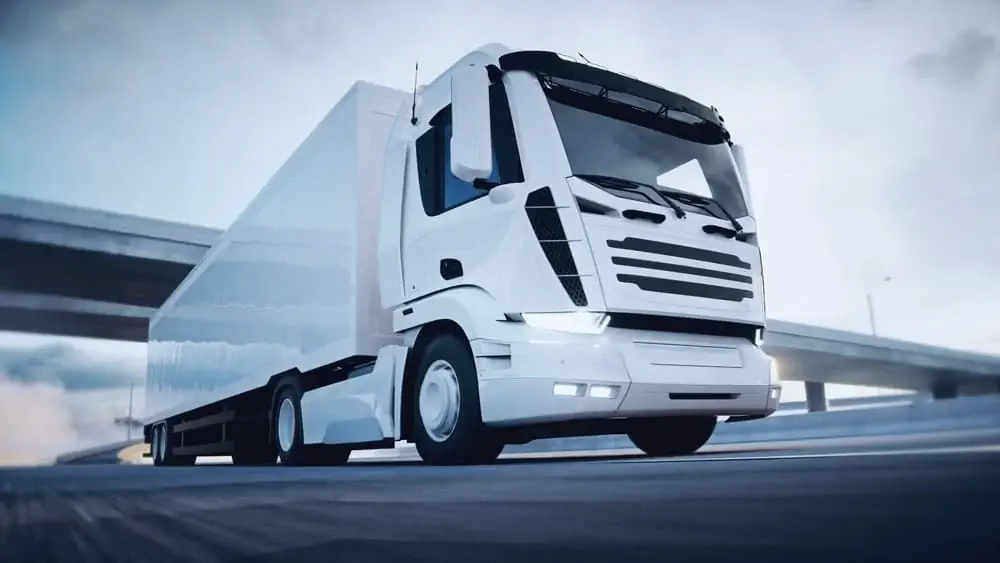
In commercial transportation, efficiency and reliability are the foundations of success. Fleet managers focus heavily on fuel consumption, maintenance schedules, and driver performance, but another factor quietly influences all of these areas—vehicle cleanliness.
Keeping trucks, buses, delivery vans, and other commercial vehicles clean is more than a matter of appearance. It contributes directly to operational efficiency, maintenance planning, and the long-term durability of fleet assets.
Clean Vehicles Improve Operational Visibility
Commercial vehicles rely on clear visibility to operate safely and efficiently. Dirt buildup on mirrors, lights, cameras, and reflective markings can reduce visibility for drivers and other road users.
Regular washing helps maintain:
- Clear headlights and taillights
- Visible reflective safety markings
- Clean mirrors and windshields
- Properly functioning cameras and sensors
Maintaining visibility improves safety and helps ensure vehicles meet transportation regulations and inspection standards.
Reducing Wear Caused by Road Contaminants
Commercial vehicles operate in environments filled with contaminants such as dust, grease, mud, and road chemicals. Over time, these materials accumulate on vehicle surfaces and mechanical components.
Without regular cleaning, these substances can lead to:
- Paint deterioration
- Corrosion of metal parts
- Damage to electrical connections
- Reduced lifespan of mechanical components
Routine washing removes harmful buildup before it causes long-term damage to fleet assets.
Maintaining Professional Fleet Appearance
Vehicles often serve as mobile advertisements for the businesses that operate them. Logos, company colors, and branding elements are designed to create a strong visual presence on the road.
Dirty vehicles can undermine that brand image. When trucks or delivery vehicles appear poorly maintained, it may create a negative impression among customers and the public.
Keeping fleets clean helps businesses project professionalism and reinforces the trust customers place in their services.
Supporting Faster Maintenance Inspections
Maintenance teams depend on clear access to vehicle components during inspections. Dirt and debris can hide cracks, leaks, or damaged parts that require attention.
When vehicles are cleaned regularly, technicians can perform inspections more efficiently. This helps maintenance teams identify potential issues early and schedule repairs before they become major problems.
A consistent washing routine therefore supports both preventive maintenance and operational reliability.
Handling Large Fleets Efficiently
As fleets expand, the challenge of maintaining vehicle cleanliness becomes more complex. Washing vehicles manually can be time-consuming and labor-intensive, particularly for companies with dozens or hundreds of vehicles.
Automated washing systems allow businesses to maintain high cleaning standards without slowing down operations. These systems can process multiple vehicles quickly while ensuring consistent results.
Organizations evaluating Truck Wash Equipment often look for solutions that can handle heavy workloads while minimizing downtime and operational disruption.
Protecting Undercarriage Components
While the exterior of a vehicle is the most visible part, contaminants often cause the most damage underneath. Road salt, mud, and debris collect around wheel wells, axles, and suspension components.
Targeted undercarriage cleaning helps remove these materials before they cause corrosion or mechanical wear. Over time, this protection can significantly extend the lifespan of important vehicle components.
Environmental Responsibility in Fleet Washing
Water usage is a key consideration in modern vehicle washing operations. Commercial washing systems are increasingly designed to minimize environmental impact.
Many facilities now incorporate:
- Water recycling and filtration systems
- Efficient detergent dosing
- Controlled wash cycles that reduce waste
These technologies help businesses maintain effective cleaning practices while conserving water and meeting environmental regulations.
A Strategic Part of Fleet Management
Vehicle washing is often seen as a routine maintenance task, but its impact reaches far beyond appearance. Clean vehicles operate more safely, last longer, and represent the company more effectively on the road.
For fleet managers, integrating efficient washing systems into their operations helps maintain vehicle condition while supporting productivity and brand reputation.
In an industry where reliability and efficiency are essential, maintaining a clean fleet remains one of the simplest ways to protect assets and uphold operational standards.