Building a swimming pool is one of the most exciting upgrades a homeowner can make to their property. In places like Sherman Oaks, where the weather encourages outdoor living, a well designed pool can quickly become the centerpiece of the backyard. It creates a space for relaxation, entertainment, and everyday enjoyment.
At the same time, many homeowners are unfamiliar with what actually happens during the pool construction process. Understanding how a pool goes from an initial idea to a finished backyard feature can help make the entire experience feel smoother and less overwhelming.
The process involves careful planning, skilled construction, and several stages that each play an important role in creating a durable and visually appealing pool.
The Initial Design and Planning Phase
Every pool project begins with the design phase. This is where homeowners work with professionals to turn their ideas into a clear plan for the backyard. During this stage, the shape, size, depth, and features of the pool are carefully considered.
Design decisions often include elements such as tanning ledges, integrated spas, waterfalls, lighting systems, and surrounding decking materials. The goal is to create a design that fits naturally within the available space while matching the style of the home.
In Sherman Oaks, this phase often involves evaluating the yard’s layout, sun exposure, landscaping, and elevation. A well planned design ensures that the pool works harmoniously with the property rather than feeling like an isolated addition.
Careful planning at this stage also helps prevent surprises during construction and keeps the project moving efficiently.
Permits and Site Preparation
Once the design is finalized, the next step involves obtaining the necessary permits. Pool construction typically requires approval from local authorities to ensure the project meets building codes and safety standards.
Permits often cover aspects such as structural requirements, electrical systems, drainage considerations, and safety features. Handling permits correctly is important because it ensures the pool will meet all regulatory guidelines.
After approvals are in place, the construction team prepares the site for excavation. This stage may involve clearing landscaping, marking the pool layout, and preparing access for construction equipment.
Site preparation ensures that the excavation phase can proceed safely and accurately.
Excavation and Structural Framework
Excavation is often the first visible step in pool construction. During this stage, heavy equipment is used to dig out the shape of the pool according to the design plans.
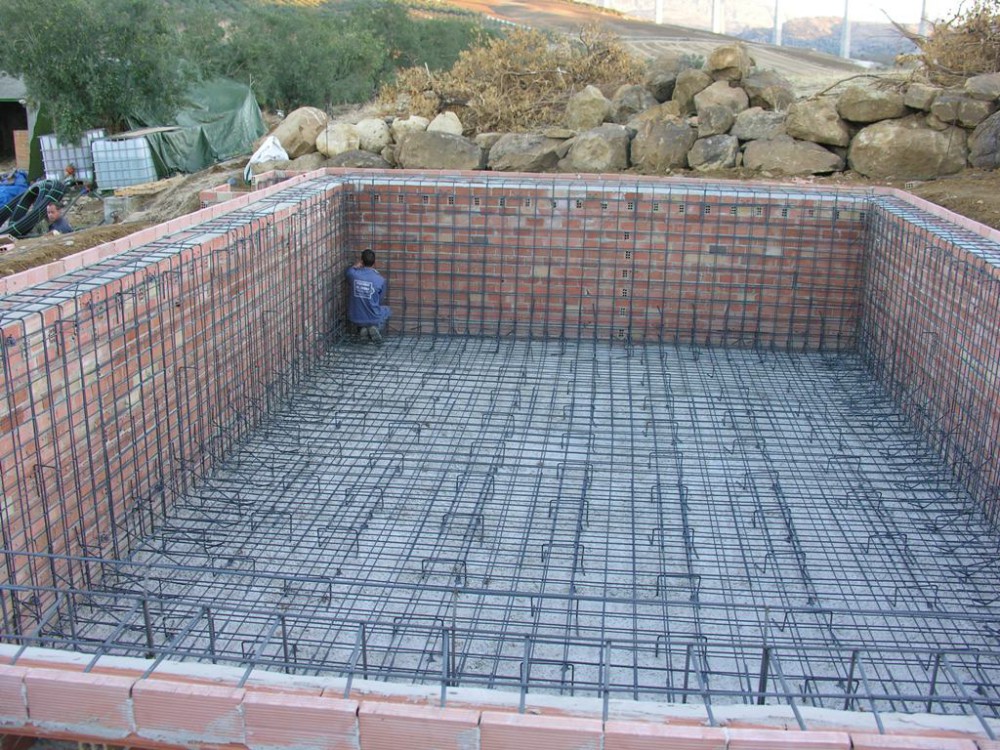
The excavation must be precise because it sets the foundation for everything that follows. Once the pool shape has been excavated, the structural framework is installed.
This framework typically includes steel reinforcement that strengthens the pool shell. The steel structure helps the pool withstand ground pressure and ensures long term durability.
At this point, homeowners begin to see the pool taking shape in their backyard.
Plumbing, Electrical, and Pool Systems
After the structural framework is in place, the next stage focuses on the internal systems that allow the pool to function properly.
Plumbing lines are installed to circulate water between the pool, filtration system, and pumps. These pipes help maintain water quality by ensuring continuous filtration and proper chemical distribution.
Electrical systems are also installed during this phase. These systems may power pool lighting, pumps, heaters, and automated controls.
Homeowners researching pool construction often explore projects related to GWP Swimming Pools to better understand how these systems come together to create a fully functional pool environment.
These systems are carefully inspected before the construction process moves forward.
Applying the Pool Shell and Interior Finish
Once the plumbing and electrical systems are in place, the pool shell is completed. In many custom pool projects, this involves applying a concrete layer that forms the solid structure of the pool.
The concrete is shaped and smoothed to match the design specifications. After the shell has cured properly, the interior finish is applied.
Interior finishes can vary depending on the homeowner’s preferences. Popular options include plaster, quartz finishes, or pebble surfaces that provide both durability and visual texture.
This stage dramatically changes the appearance of the pool, transforming it from a construction structure into a finished water feature.
Decking, Landscaping, and Final Details
With the pool shell complete, attention shifts to the surrounding area. Pool decking is installed to create comfortable walkways and seating spaces around the pool.
Deck materials can include stone, pavers, concrete, or tile depending on the desired style. Landscaping may also be added to soften the space and create a more natural backyard environment.
Additional features such as water fountains, lighting systems, and outdoor seating areas are often completed during this stage.
These finishing touches help integrate the pool into the overall backyard design.
Filling the Pool and System Testing
The final stage of pool construction involves filling the pool with water and testing all systems. Pumps, filters, heaters, and lighting are carefully checked to ensure everything operates correctly.
Water chemistry is also balanced to make the pool safe and ready for use. At this point, homeowners typically receive guidance on how to maintain the pool and operate its equipment.
Once testing is complete, the backyard transformation is officially finished.
Key Takeaways
Understanding the pool construction process helps homeowners feel more confident when planning their backyard project. From the initial design phase to the final system testing, each step plays an important role in creating a safe, durable, and visually appealing pool.
The process begins with careful planning and design, followed by permitting and site preparation. Excavation and structural reinforcement create the pool’s foundation, while plumbing and electrical systems ensure proper functionality.
Interior finishes, decking, and landscaping then transform the construction site into a complete backyard environment.
For homeowners in Sherman Oaks, a well executed pool project can significantly enhance outdoor living while adding long term value to the property.
When every stage is handled with attention to detail, the result is a custom swimming pool that provides years of enjoyment, relaxation, and memorable moments at home.