Improving home energy efficiency isn’t only about upgrading appliances or insulating doors and windows. An often-overlooked yet crucial component is the roof. As the primary shield against external elements, the roof has a direct impact on a home’s energy consumption and comfort.
Homeowners in every region, including those seeking commercial roofing contractors St. Louis County, MO, are increasingly turning to modern roofing methods for enhanced efficiency, long-term savings, and environmental stewardship.
By embracing advanced materials and installation techniques, the potential to lower energy bills and reduce a home’s carbon footprint has never been greater.The evolution in roofing technology addresses today’s pressing concerns about sustainability and cost savings.
Energy-efficient roofing goes beyond aesthetics or durability; it is now designed to work intelligently with your home’s existing systems, responding actively to seasonal changes and minimizing wasteful heat transfer. Whether you live in a region with sweltering summers or frigid winters, the right roofing choice can make a measurable difference in both comfort and utility costs.
As homeowners become more energy-conscious, they recognize the roofing system as an investment with both immediate and long-term returns. From reflective coatings and solar integration to insulation and ventilation upgrades, each innovation offers unique benefits suited to different budgets and climate demands. Not only do these improvements help regulate indoor temperatures, but they also extend the lifespan of the roof itself by reducing wear and tear from temperature extremes.
Cool Roof Technology
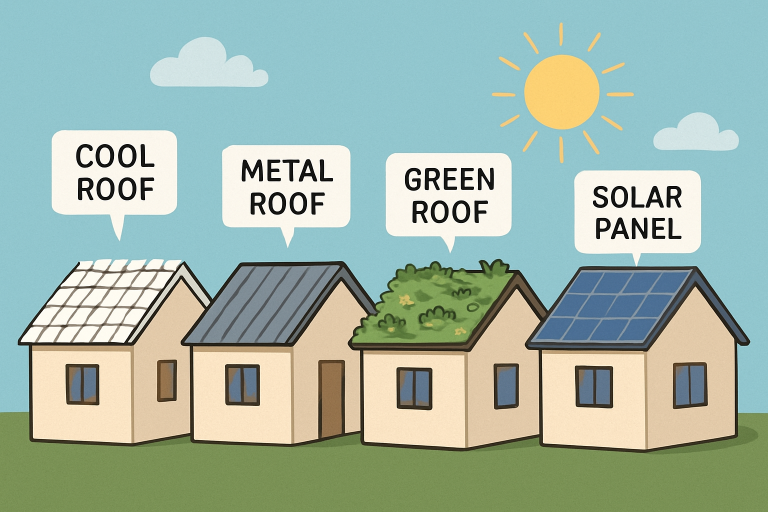
Cool roofs utilize advanced coatings or materials designed to reflect more sunlight and absorb significantly less heat than traditional roofing. This enhanced solar reflectance is especially beneficial in hot climates, where cooling costs are substantial. According to the U.S. Department of Energy, switching to a cool roof can cut air conditioning energy use by up to 15% yearly in single-story homes.
These savings translate directly into lower utility bills, while also helping to counteract the urban heat island effect, where city centers experience higher temperatures than surrounding areas.
Metal Roofing
Metal roofing’s meteoric rise in popularity is a testament to its exceptional energy performance. These roofs reflect up to 70% of solar energy—compared to just 20-30% in asphalt shingle roofs—leading to noticeably cooler buildings beneath. Despite a higher initial cost, metal roofs offer life spans of 40 to 70 years and can reduce cooling expenses by as much as 25-40%. This longevity, combined with minimal maintenance demands, means that for many households, the upfront investment pays off well within the roof’s lifetime.
Green Roofs
Green roofs, also known as living roofs, transform rooftops into vibrant ecosystems. Layers of soil and vegetation naturally insulate homes, reducing both winter heat loss and summer heat gain.
In warmer months, green roofs can lower rooftop temperatures by an average of 30°C, easing air conditioning loads and combating city heat. Additional advantages include improved air quality and better stormwater management, making green roofs a multifaceted solution for urban dwellers.
Solar Integration
Solar-integrated roofs seamlessly combine power generation with weather protection. Modern solar shingles and tiles blend into standard roofing, discreetly harnessing the sun’s energy without sacrificing curb appeal. These advancements enable homeowners to generate their own electricity, thereby reducing their reliance on the grid and lowering monthly utility costs.
With advances in technology, solar roofing is becoming increasingly accessible to more households, bolstered by tax incentives and the expansion of renewable energy infrastructure.
Advanced Insulation and Ventilation
Innovative insulation and ventilation systems are essential for maximizing a roof’s energy efficiency. Options like spray foam insulation expand to fill even the smallest gaps, minimizing air leaks that drive up energy use. Radiant barrier insulation adds a layer of protection beneath the roof, reflecting heat away from living spaces.
When paired with modern ventilation systems, these solutions help balance indoor temperatures throughout the year, extend the lifespan of the roof, and enhance overall comfort.
Radiant Barriers
Radiant barriers work by reflecting radiant heat away from your home, especially valuable in regions with prolonged hot weather. Installing insulation in attics can reduce cooling costs by 5-10%, a small change with substantial long-term savings. Maintaining lower attic temperatures also helps preserve stored belongings and prevents excessive wear on HVAC systems, further extending their lifespan.
Energy-Efficient Materials
Advancements in manufacturing have led to the development of highly energy-efficient roofing materials, such as insulated roof panels (IRPs). Combining robust metal sheeting with a high-performance foam core, IRPs provide an effective barrier against heat gain or loss.
This reduces the need for excessive heating or cooling, maintaining steady and comfortable indoor temperatures regardless of exterior conditions. Coupled with improved sealing and weatherproofing, these materials help eliminate wasteful thermal bridges that can undermine home efficiency.
Final Thoughts
Modern roofing methods present a powerful opportunity for homeowners to boost energy efficiency, comfort, and sustainability. From innovative coatings and solar integration to green roofs and advanced insulation, these solutions deliver significant cost savings while also benefiting the planet. By choosing energy-smart roofing options, households contribute to a resilient, eco-friendly future—making the roof overhead an asset that pays dividends for years to come.