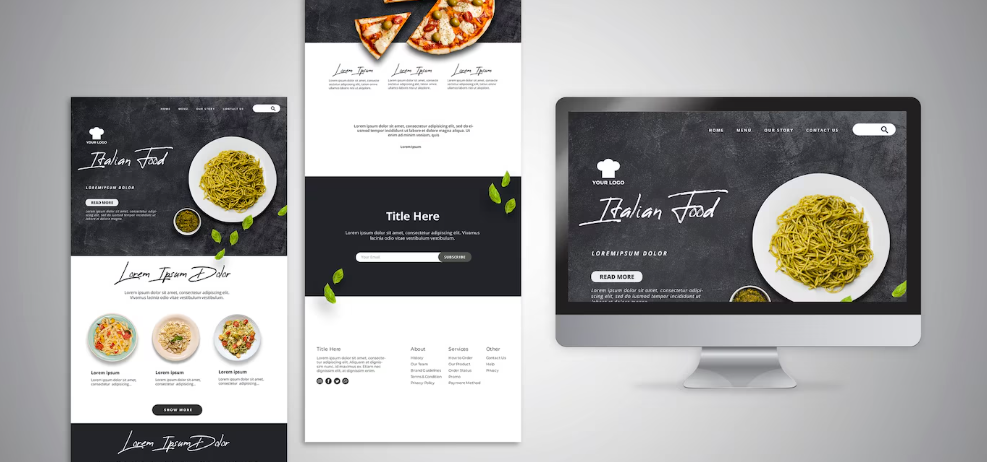
Website conversions don’t happen by accident—they are carefully guided. Whether it’s signing up for a newsletter, booking a service, or completing a purchase, every successful action taken by a visitor starts with a clear, compelling call-to-action (CTA). The design of a CTA influences how users interact with it, and ultimately, whether or not they follow through.
A well-designed CTA is more than just a button. It’s a crucial part of the user journey, built into the overall web design in a way that feels natural, persuasive, and effective. Understanding the components of successful CTA design is key to driving results and increasing your website’s performance.
The Purpose Behind Every CTA
CTAs are the final nudge that turns interest into action. They are strategically placed prompts that move users to engage—whether it’s “Contact Us,” “Download Now,” or “Add to Cart.” Without them, websites become passive digital brochures rather than active marketing tools.
An effective CTA works in tandem with the content around it. It must match the user’s intent at that moment and offer something of value. From the homepage to landing pages, each CTA should be crafted to push the user one step closer to a goal. Poorly designed CTAs, on the other hand, create friction or confusion, reducing the likelihood of conversion.
Visual Elements That Drive Action
The visual design of a CTA is the first thing users notice. High-contrast colors, bold text, and prominent positioning help CTAs stand out without being disruptive. Color psychology also plays a role—using vibrant hues for action buttons draws the eye and can increase click rates.
The size and shape of a CTA should be optimized for all devices. It should be large enough to click easily, especially on mobile, but not so large that it overwhelms the interface. Rounded buttons are often more inviting than square ones, and concise padding around the text ensures readability and balance. All of these elements work together to attract attention and support the user’s decision to act.
Copy That Converts
Design is only one part of the equation—the words used in a CTA also matter. Effective CTAs use clear, actionable language that communicates value. Vague text like “Submit” or “Click Here” fails to inspire, while copy like “Get My Free Estimate” or “Schedule a Call Today” provides clarity and incentive.
Great CTA copy is often benefit-driven and aligned with the user’s current mindset. Phrases that highlight time sensitivity, exclusivity, or ease—such as “Sign Up in 30 Seconds” or “Limited Time Offer”—tap into psychological triggers and can lead to higher engagement. Copy should be consistent with the surrounding message and reflect the tone of your brand.
Placement and Timing
The position of a CTA affects whether users see it and when they’re most likely to click. CTAs placed above the fold capture users who are ready to act quickly, while those placed at the end of content allow readers to process information before deciding. Scrolling behavior and user flow should inform CTA placement across your site.
Sticky headers, sidebar CTAs, and strategically placed in-content prompts ensure that users never have to look far to take the next step. Proper spacing between content blocks and surrounding elements also helps draw attention without feeling intrusive. A skilled team like Portkey SEO Solutions understands how to map CTAs to user intent for optimal performance.
Responsive Design for CTA Accessibility
In a mobile-first world, responsive design is non-negotiable. CTAs need to adapt across screen sizes while maintaining their visibility, clarity, and functionality. Tap-friendly buttons, clear spacing, and concise text improve mobile usability and reduce friction in the conversion path.
Mobile users expect quick actions and simplified interfaces. CTAs should be thumb-friendly and ideally appear early in the mobile viewport. Ensuring fast load times and optimized image use around CTAs also prevents delays that could disrupt conversions on smaller screens.
How CTAs Influence Conversion Metrics
CTA performance can directly affect key website metrics such as click-through rate (CTR), bounce rate, and overall conversions. Strong CTA design encourages users to stay engaged, explore more pages, and complete desired actions. In contrast, weak CTAs may contribute to user drop-off or confusion.
A/B testing is often used to compare different CTA designs, placements, and wording. By analyzing user behavior, designers and marketers can refine their strategy to boost results. Over time, these insights lead to smarter design choices and improved ROI for your web presence.
Conclusion
Your CTA is the final gateway between browsing and action. It can be the difference between a lost lead and a converted customer. When thoughtfully designed, CTAs don’t interrupt the user journey—they guide it. Every detail, from color and size to placement and message, plays a role in how users respond.
With a clear understanding of user behavior and strong design execution, businesses can create CTAs that drive meaningful results. Partnering with experienced professionals like Portkey SEO Solutions ensures your CTAs are built with intent, precision, and performance in mind—ultimately turning traffic into growth.