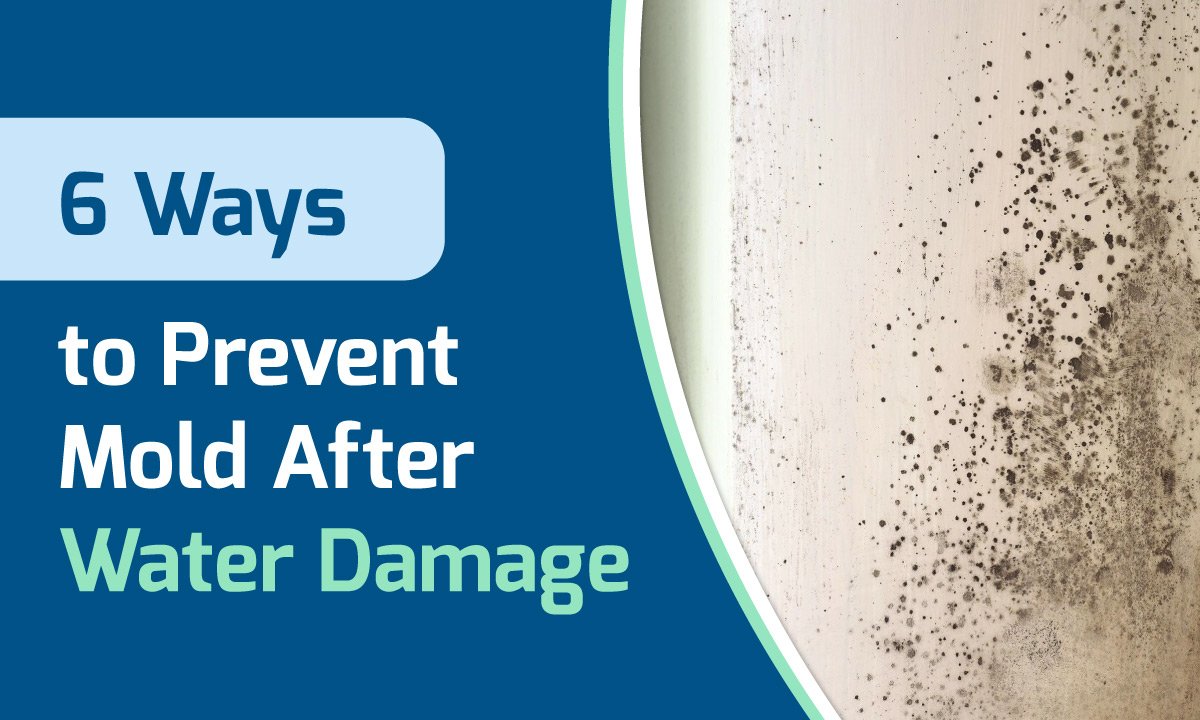
You protect your home better when you understand how mold and mildew grow. Many readers of Way Net Working look for clear steps that help them control moisture and improve indoor hygiene. Mold grows in damp and poorly ventilated areas. It spreads fast and affects walls, furniture, and indoor air quality. You can prevent this problem when you manage humidity and keep surfaces dry.
Start by checking the areas where moisture builds up. Focus on bathrooms, kitchens, basements, laundry rooms, and window corners. These spaces collect steam and water. When you control moisture in these areas, you reduce the chances of mold growth. Keep a simple checklist to track cleaning and ventilation tasks each week. This helps you stay consistent and avoid sudden problems.
Improve Ventilation in Moist Areas
Good airflow reduces moisture. Open windows for a few minutes each day. Turn on exhaust fans when you cook or take a shower. Use a portable fan in rooms that feel damp. Ventilation helps you remove steam before it settles on walls or ceilings. This small habit protects your home and improves comfort.
Install a bathroom exhaust fan if you do not have one. It removes steam quickly and prevents warm moisture from settling on tiles and grout. Keep the fan running for at least fifteen minutes after a shower. You can also keep the bathroom door open after use. This lowers humidity and keeps surfaces dry.
Control Indoor Humidity Levels
You can prevent mold when you keep indoor humidity between 30 and 50 percent. Use a hygrometer to measure humidity. You can place it in your living room, kitchen, and basement. When humidity rises, a dehumidifier brings it back to a safe range. This is useful in rainy seasons or humid climates.
Fix water leaks immediately. Look for wet spots under sinks, around toilets, near washing machines, and behind refrigerators. Even a small leak increases moisture. Repairing leaks keeps your walls and floors safe from hidden mold. Many readers of Admin Wells follow this step to protect their homes from moisture damage.
Keep Surfaces Clean and Dry
Clean bathrooms and kitchens regularly. Wipe down shower walls, sinks, and countertops. Use a cleaning solution that removes moisture and stops mold spores from growing. You can mix water and white vinegar to clean tiles and grout. This simple solution works well and does not harm surfaces.
Dry wet areas quickly. If you spill water on the floor, wipe it right away. If clothes stay damp after washing, dry them outdoors or use a dryer. Do not leave wet towels piled up. These small habits reduce moisture and stop mold from spreading.
Improve Indoor Air Quality
Use an air purifier with a HEPA filter to reduce mold spores in the air. This helps people with allergies or breathing issues. Clean or replace air conditioner filters every month. A clogged filter holds dust and moisture. This creates a perfect environment for mold growth inside the unit.
You can also keep indoor plants that absorb moisture. Choose plants like peace lilies or bamboo palms. Place them in areas that feel humid. They help balance indoor moisture levels naturally.
Protect Walls and Floors
Use mold resistant paint in bathrooms, laundry rooms, and basements. This paint creates a protective layer that stops mold from bonding with the surface. You can repaint high moisture areas once every few years.
Check your flooring for damp spots. Carpet traps moisture easily. Replace carpet with tile or vinyl in areas that stay damp. If you want to keep carpet, place a dehumidifier nearby and vacuum regularly. Mold spreads fast in dark carpet fibers, so regular cleaning is important.
Prevent Mold in Hidden Areas
Mold grows in places you do not check often. Look inside cabinets under sinks. Inspect behind appliances. Check the space near your water heater. These areas collect moisture and stay dark, making them ideal for mold.
Keep storage areas dry. Use moisture absorbing packets or charcoal bags in closets, cabinets, and drawers. These products pull extra moisture from the air. They keep clothing, papers, and fabrics safe from mildew.
Stop Mold Around Windows
Condensation forms around windows during cold weather. You can reduce it by keeping blinds slightly open. This allows air to move across the glass. Use weather stripping to seal gaps around windows. This prevents humid outdoor air from entering your home.
Wipe window moisture in the morning. Even a small amount of water can lead to mold on window sills. Keep the area dry to avoid long term damage.
Keep Your Basement Mold Free
Basements stay damp because they receive less sunlight and airflow. Improve basement ventilation with small fans. Use a dehumidifier during summer months. Insulate pipes to prevent condensation. Seal cracks in walls to stop water from entering through the foundation.
Store items in plastic bins instead of cardboard boxes. Cardboard absorbs moisture and grows mold easily. Plastic bins keep your storage clean and protected.
Monitor Your Home Regularly
Inspect your home every month for signs of mold. Look for dark spots, peeling paint, strange odors, or damp walls. Early detection helps you treat the problem before it spreads. You can clean small mold patches with vinegar or a mild cleaning solution.
If the mold covers a large area or keeps returning, call a professional. They use tools that remove hidden moisture and clean affected areas safely.
Final Tips to Keep Mold and Mildew Away
You protect your home by controlling moisture, improving ventilation, and cleaning regularly. Simple changes help you prevent mold and keep your indoor air fresh. These steps also protect furniture, walls, and flooring from long term damage. Many readers of Gravity Bird follow this approach to maintain homes that stay clean and healthy.