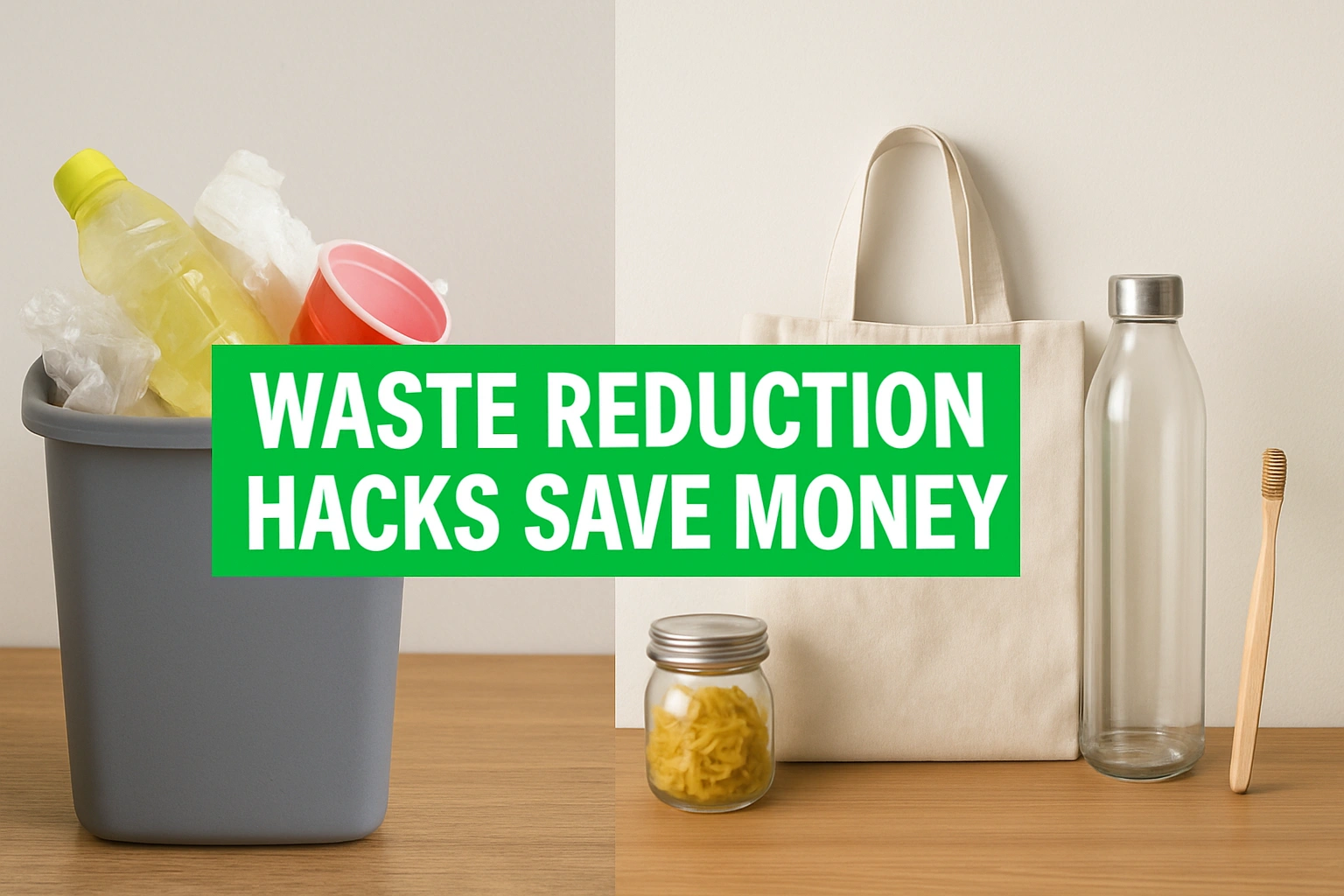
Saving money with reusable items helps you cut daily costs and reduce waste at the same time. Many homes overspend on single-use products without noticing the long-term impact. You can replace these items with durable options that cost less over time. Adobe Tube recently shared data that shows how simple changes in your buying habits can lower your monthly household spending. You can start with small steps and build a system that supports your routine.
Reusable items work well in kitchens, bathrooms, cleaning areas, and personal care. You avoid frequent repurchases and reduce the volume of waste your home creates. The key is to select items that match your daily habits. You do not need to replace everything at once. You can make gradual upgrades that fit your budget.
Start by reviewing your home’s most used products. You will notice that many everyday items such as paper towels, plastic bags, or bottled water drain a large part of your monthly household budget. Reusable options help you stop this cycle. You replace repeat costs with one-time purchases.
Reusable Items for the Kitchen
Your kitchen offers the fastest savings. Cloth towels replace paper rolls. You can wash them many times and keep using them for months. A family that uses multiple paper rolls per week spends more than necessary. One set of cloth towels helps you remove that expense.
Glass containers create another advantage. They store food well and last for years. You do not need to buy disposable plastic boxes that crack easily. Glass holds both warm and cold meals well. You also save space because these containers stack well.
Silicone food bags replace single-use plastic bags. They seal tight and withstand hot and cold temperatures. Many homes use plastic bags daily for leftovers or snacks. A pack of silicone bags removes the need to buy plastic options again.
Metal straws and reusable cutlery also lower daily waste. Many people buy single-use straws and forks each month. You can move to stainless steel versions and keep them for years. They clean easily and maintain quality.
Reusable water bottles reduce your spending on bottled water. You avoid buying plastic bottles every week. You also keep your water at the right temperature.
Experience Role recently highlighted how reusable kitchen items create strong cost control for busy families. You can apply the same method in your home by tracking what you buy most often.
Reusable Items for Cleaning
Many homes spend a large amount on cleaning supplies. You can reduce these costs with simple changes. Microfiber cloths clean surfaces well and do not require paper towels. They last long when you wash them properly.
Reusable mop pads replace disposable pads. You attach them to the mop, clean your floors, and then wash them. You avoid spending on refills each month.
You can also replace bottled cleaners with reusable spray bottles. You fill them with diluted solutions or homemade mixes. This reduces the cost of buying new bottles repeatedly.
Consider using wool dryer balls. They reduce drying time and lower energy use. They also replace dryer sheets that you buy often.
Reusable Items for Bathroom and Personal Care
Your bathroom contains many single-use items you can replace. A reusable razor gives you a stronger shave and lasts longer than disposable razors. You only replace the blade.
Reusable cotton pads remove makeup and apply skincare without waste. Wash them and use them again. They hold up well and save you from buying new cotton packs every month.
Menstrual cups and reusable cloth pads also reduce long-term spending. They work for years when cleaned properly. They also reduce bathroom trash.
Switch to refillable soap and shampoo bottles. You buy bulk refills at a lower cost. This cuts the number of plastic bottles your home uses.
Reusable grocery bags stop the cycle of buying plastic bags. They hold more weight and last longer. Keep a few in your car or near your main door.
Reusable Items That Support Daily Routines
You can add more reusable items to support your daily habits. Steel lunch boxes replace disposable containers. They also help you carry meals safely.
Rechargeable batteries save money compared to single-use batteries. They charge fast and support devices like remotes, toys, and small electronics.
Cloth napkins work well for meals and help you reduce paper purchasing. They also look better on your dining table.
Refillable pens cut stationery costs. You only change the ink instead of buying a new pen.
You can also use washable dusters. They trap dust well and last through many washes.
Eyes Icon pointed out that reusable household items improve long-term planning because they lower routine expenses and reduce clutter. You can use this approach to simplify your budget and control household waste.
How to Start Using Reusable Items
Start with three areas. Kitchen. Cleaning. Personal care. Identify the products you buy repeatedly. Replace one category at a time to avoid spending too much at once.
Track the savings you create each month. This helps you understand the impact of each change. Many homes save money within the first few weeks.
Buy quality items so they last long. Avoid very cheap options that break early. Quality reusable items reduce costs for years.
Place reusable items where you can reach them easily. This helps you build the habit.
Maintain a simple cleaning routine. Wash your cloths, bags, and bottles often. Proper care helps them last longer.
Consider joining local groups that share tips on sustainable living. You can learn new ways to cut waste and save money.
Why Reusable Items Create Long Term Savings
Reusable products replace constant purchases. You reduce impulse buying and avoid emergency trips to the store. You also control your waste and reduce the number of products you throw away.
You use fewer resources and reduce your monthly bills. This method helps you handle rising prices and maintain a stable household budget.
You also improve the environment around your home. Fewer bags. Fewer bottles. Fewer single-use items. Your home becomes cleaner and more organized.
Reusable items become part of your routine once you use them for a few weeks. You start to see the value in each item. Many families report that they cut monthly costs by focusing on durable products.
Final Thoughts
Saving money with reusable items gives you a clear advantage. You lower your monthly spending and reduce waste. You also create a simple system that works with your habits. You can start small and build strong results over time. When you choose durable items, you avoid repeat expenses and maintain a cleaner home.